


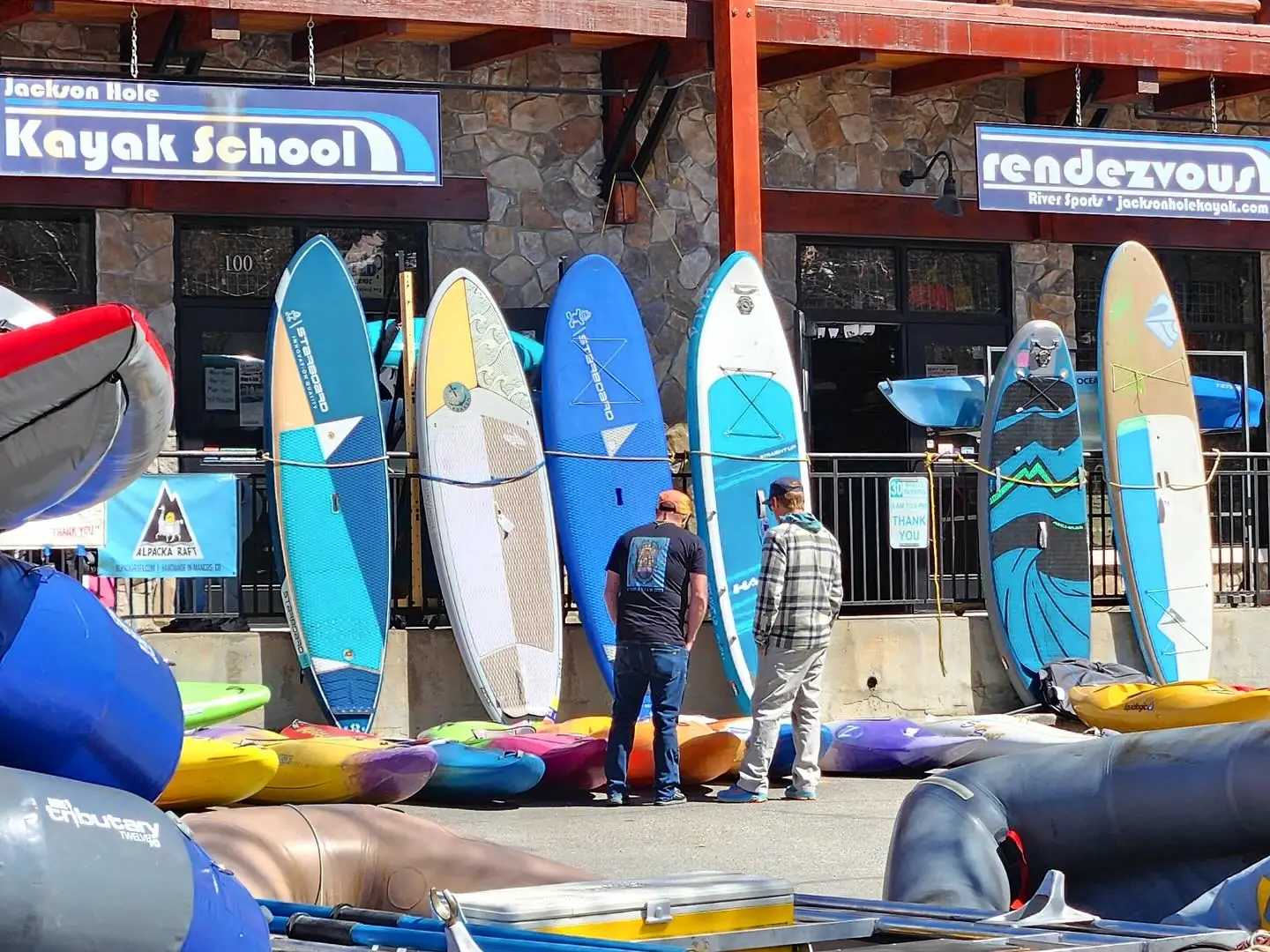
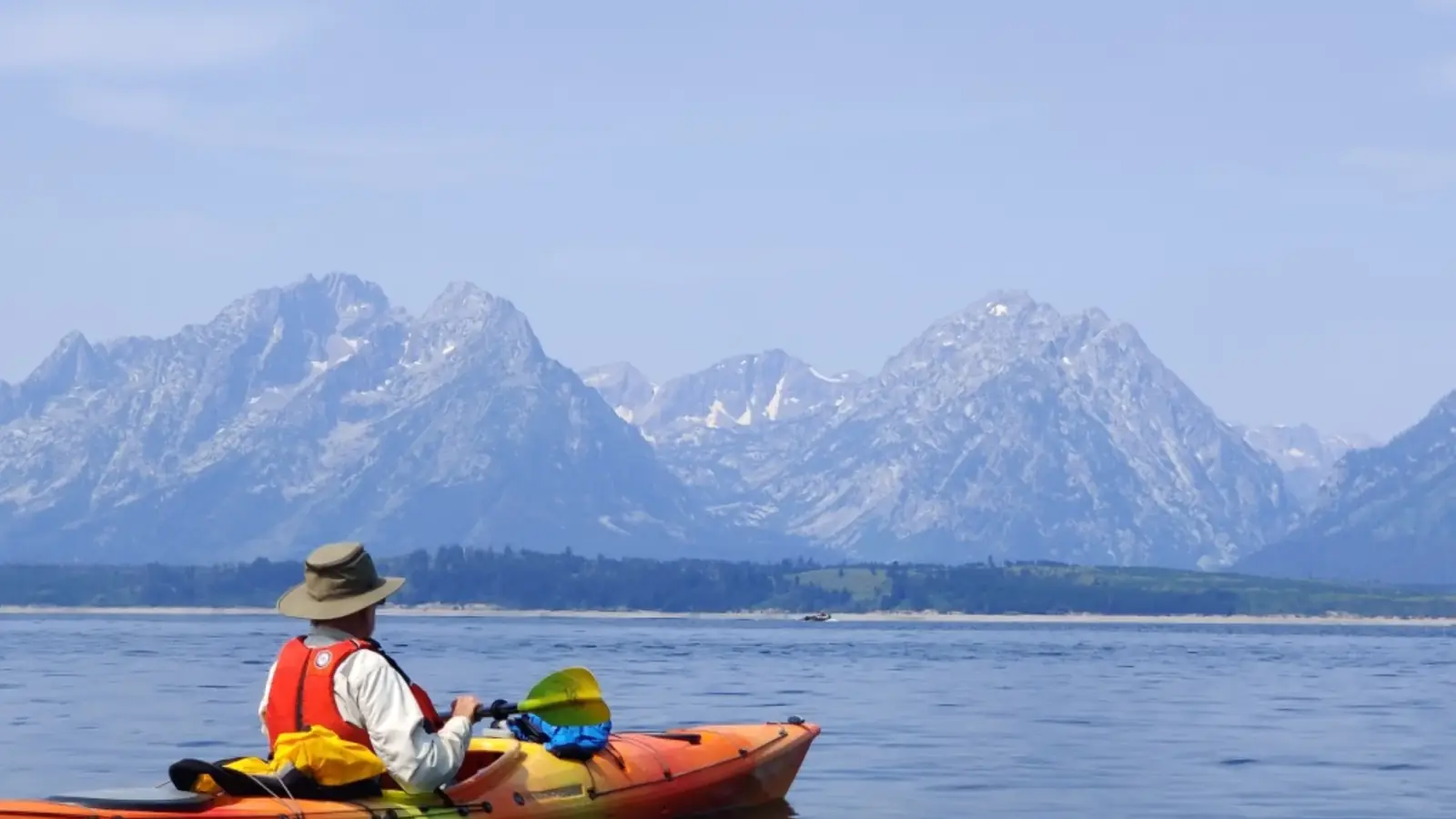
Jackson Hole Paddling Guide
Local Waters GuideThree Decades of Local Knowledge at Your Fingertips
Plan your day on the water with curated intel from guides who paddle these rivers and lakes every week. Use this guide to match conditions and destinations to your skill level, season, and style of adventure.
- Current river flow reports and condition updates
- Detailed information on Grand Teton and Yellowstone paddling
- Comprehensive lake paddling destinations
- Whitewater river guides with rapid descriptions
- Scenic float options for all abilities
- Access points, shuttle information, and logistics
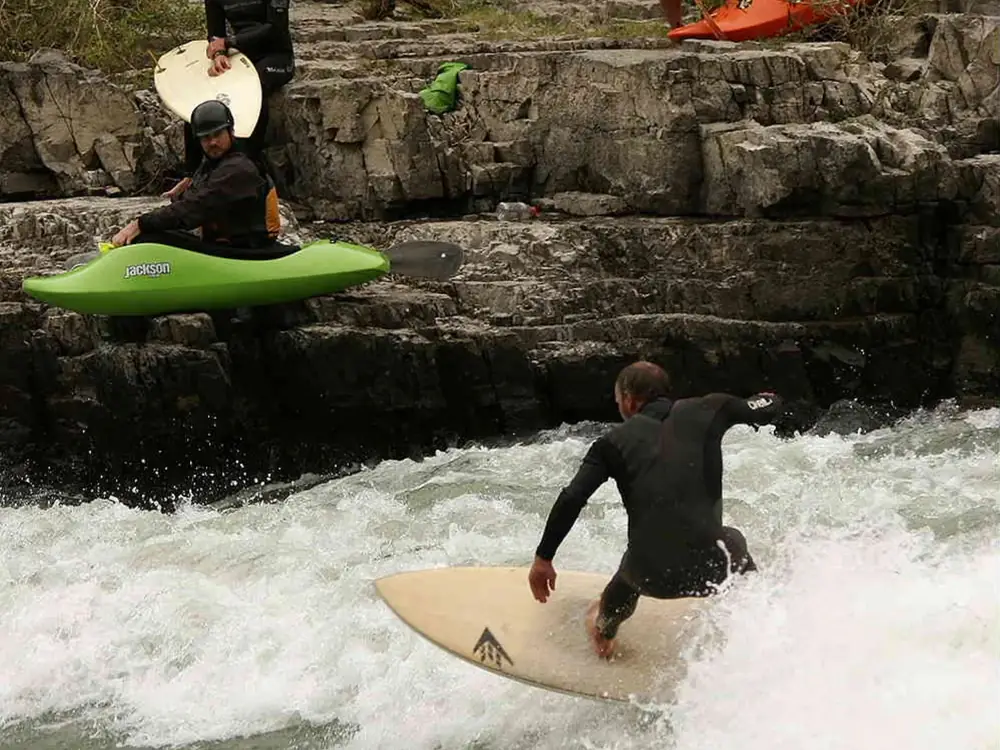
River Report
Current Flow InfoOur river report provides up-to-date information on Snake River flows, water levels on area rivers, seasonal condition assessments, temperature data, and recommendations on which sections are running well currently.
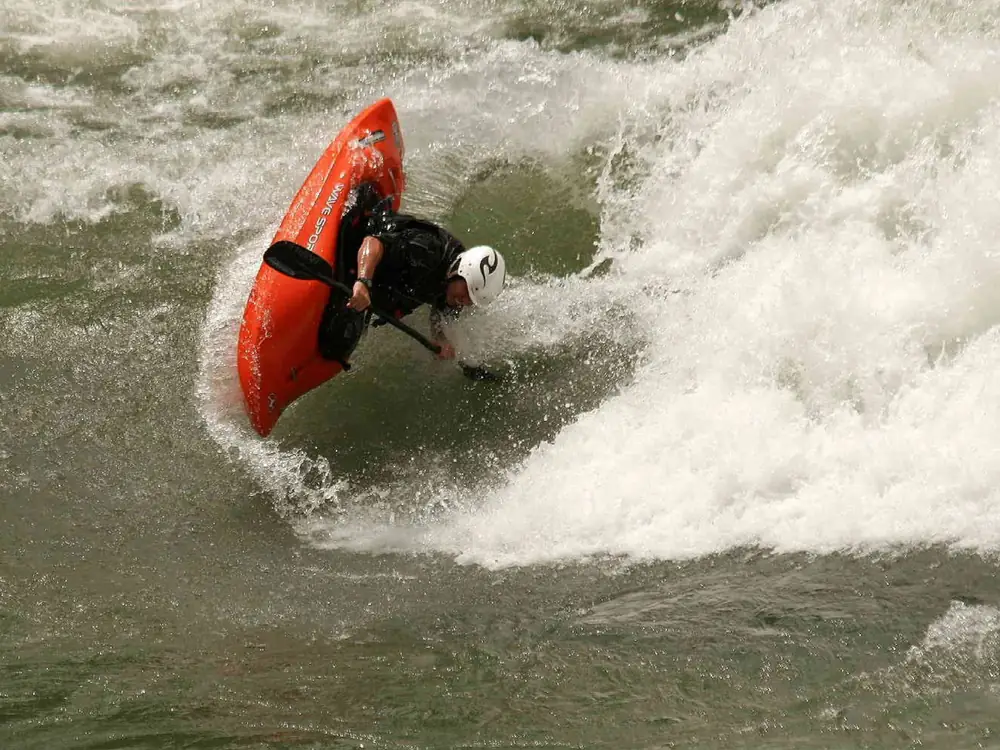
Whitewater Rivers
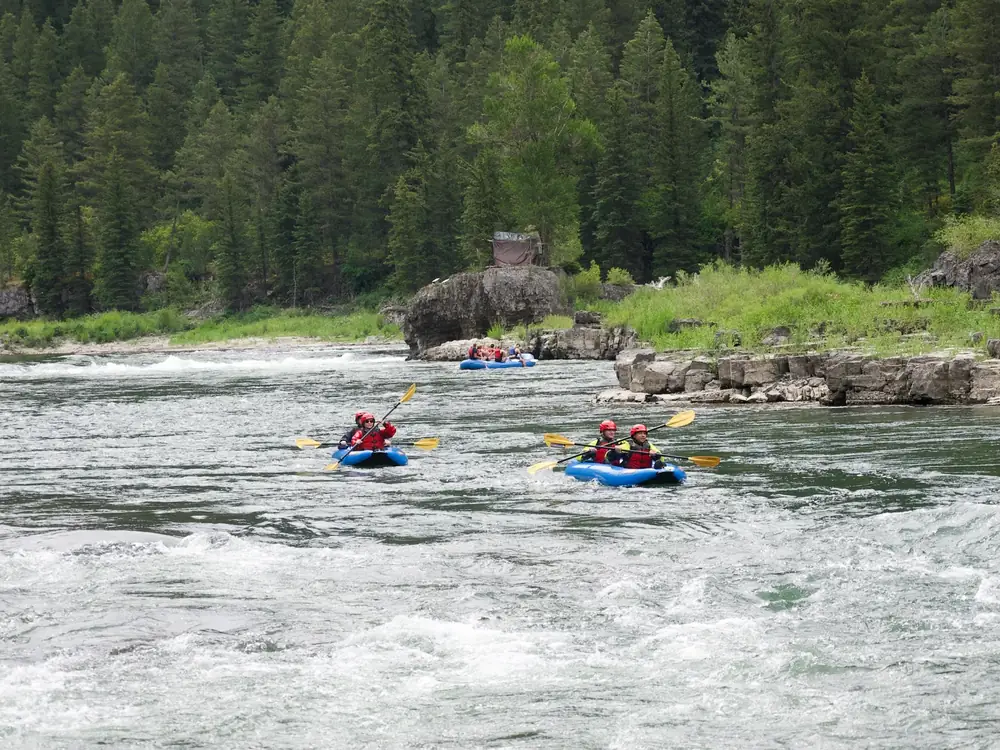
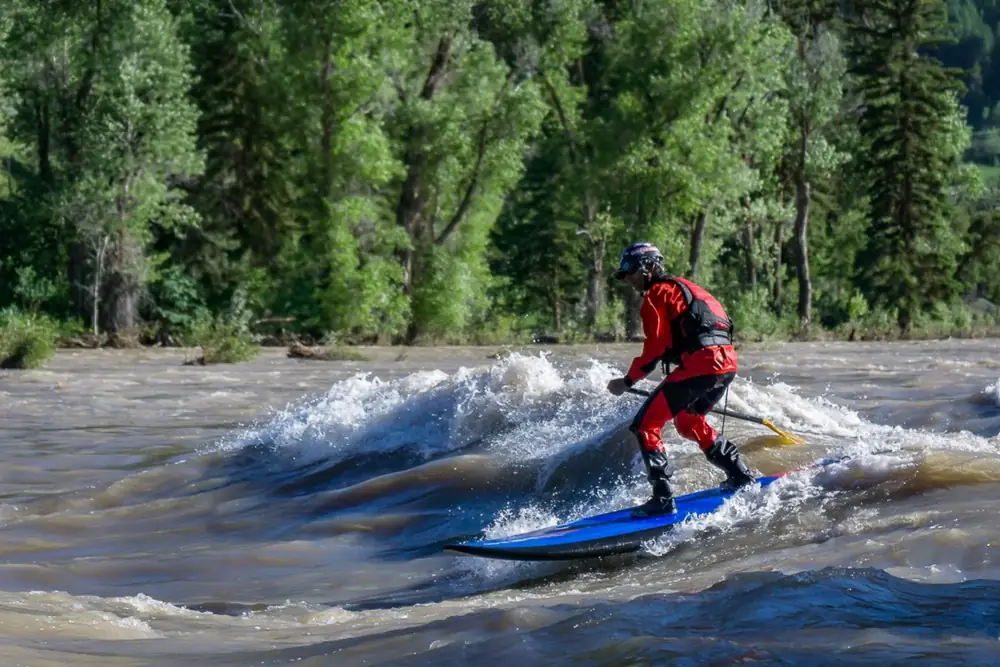
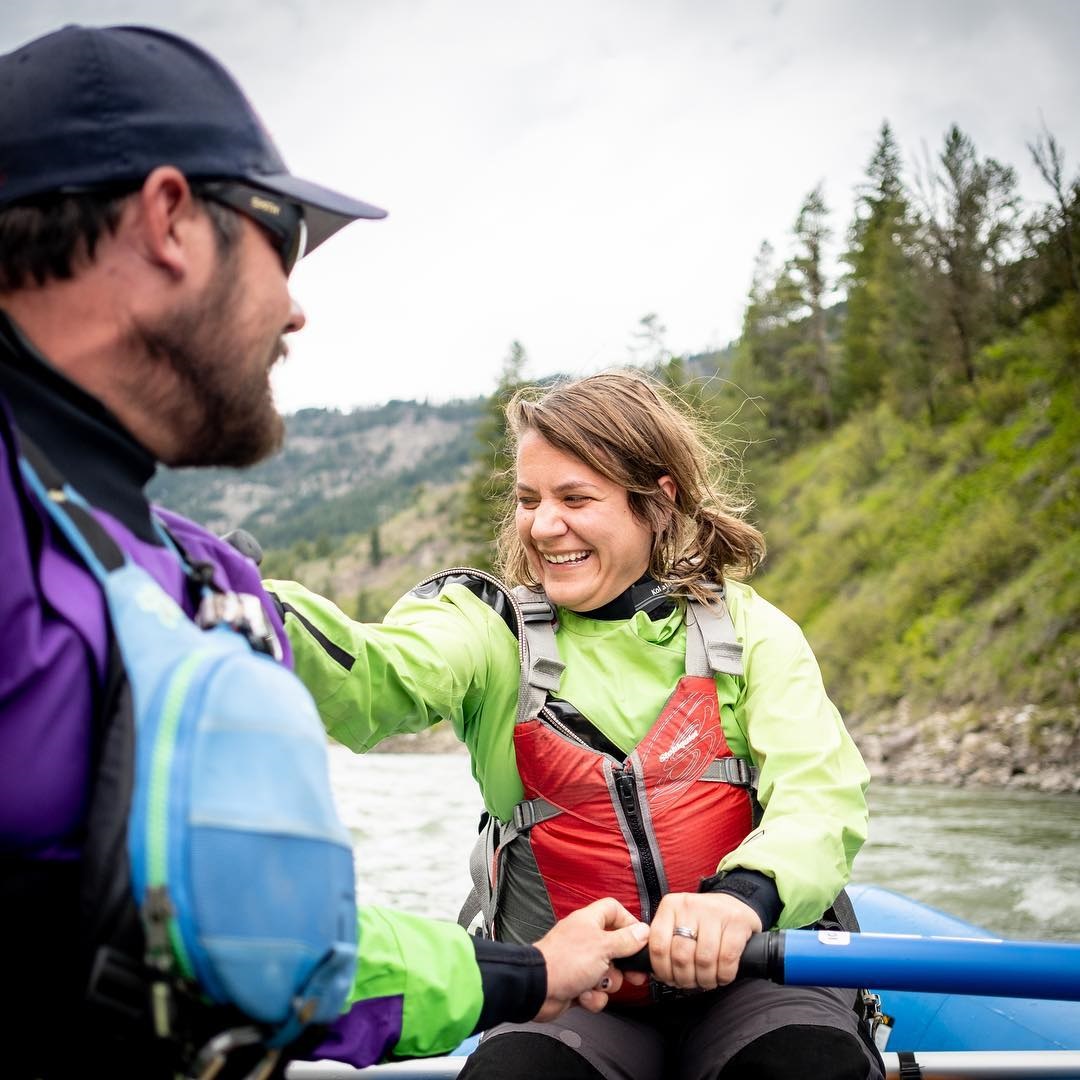
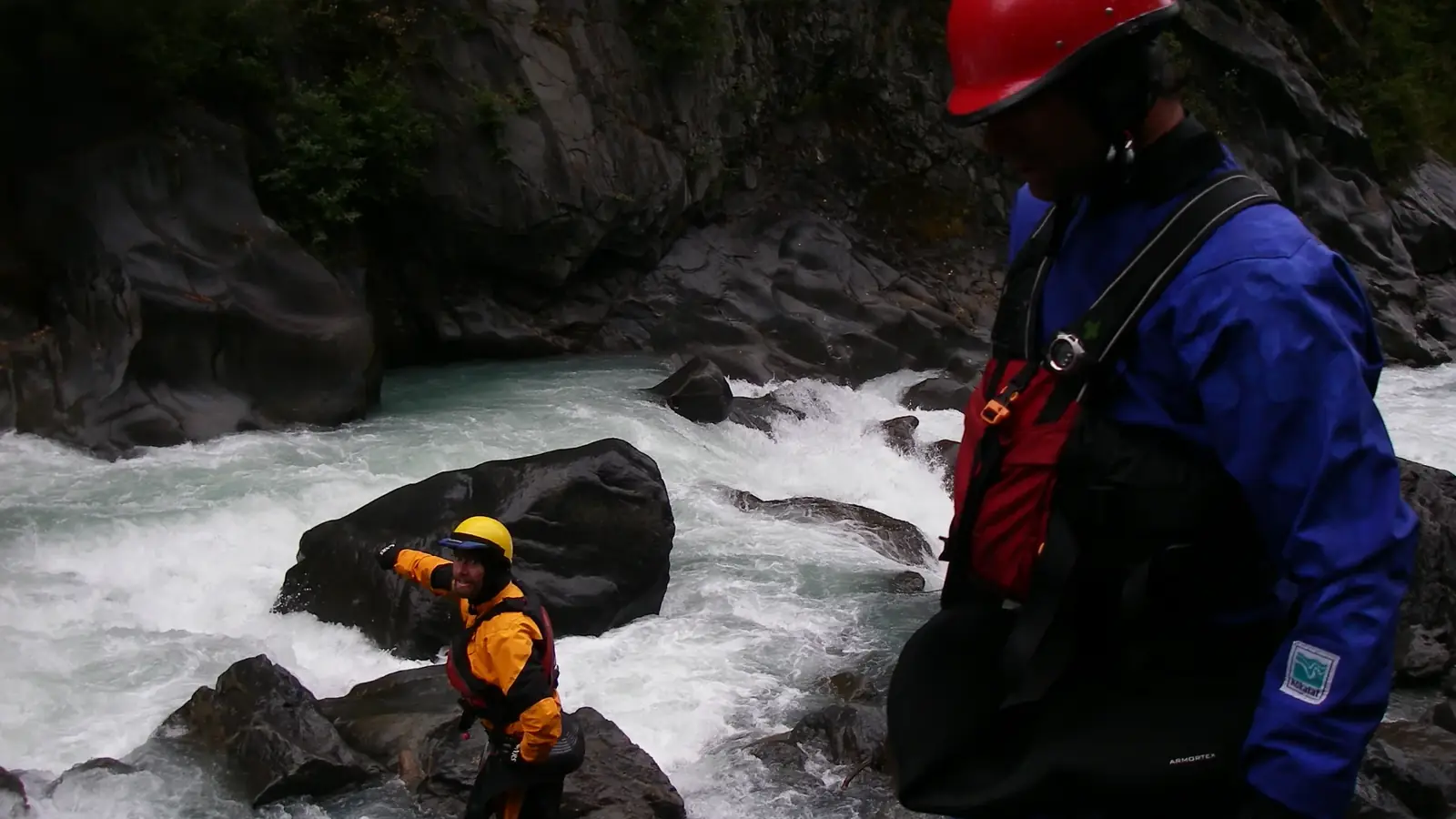
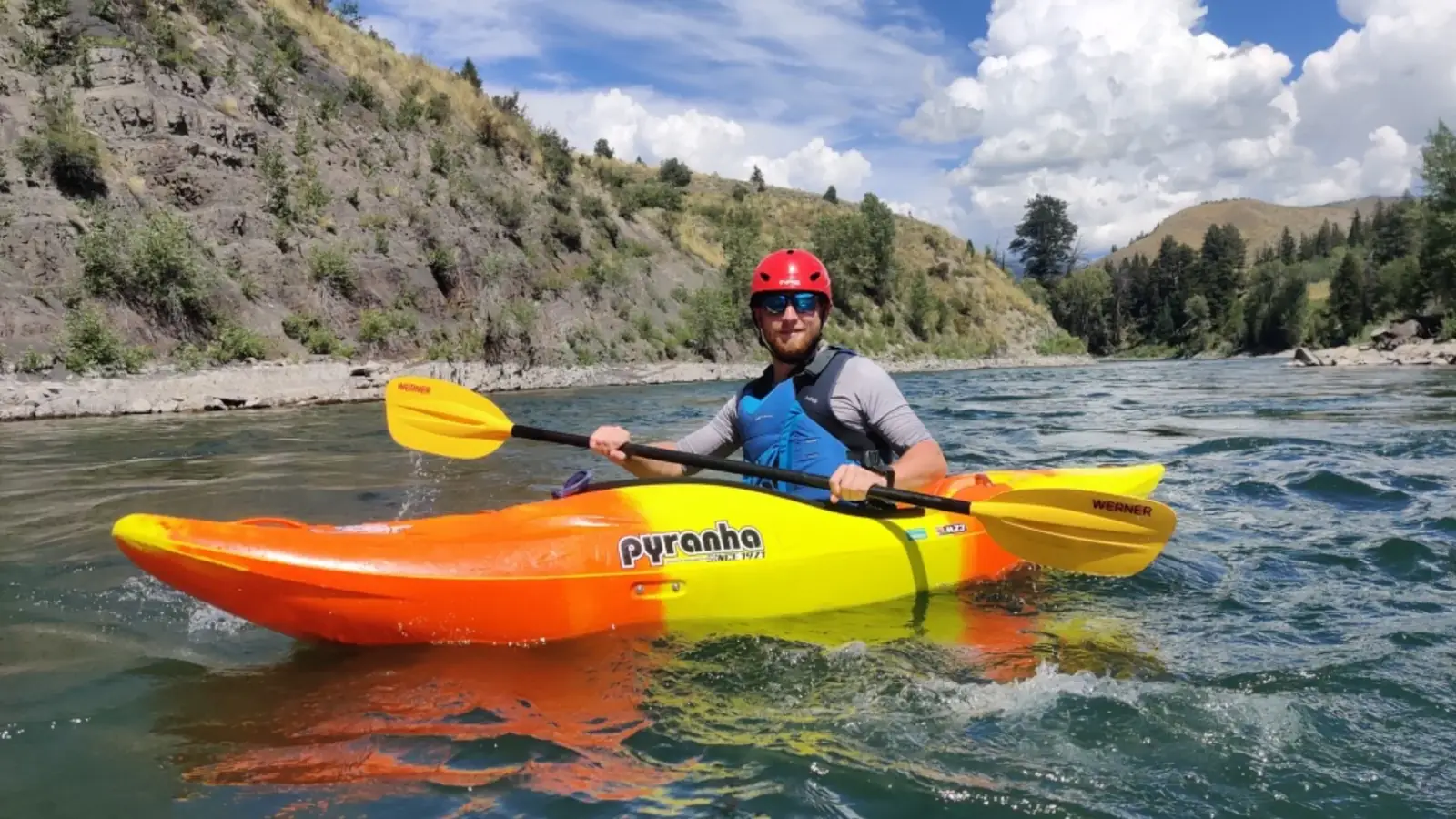
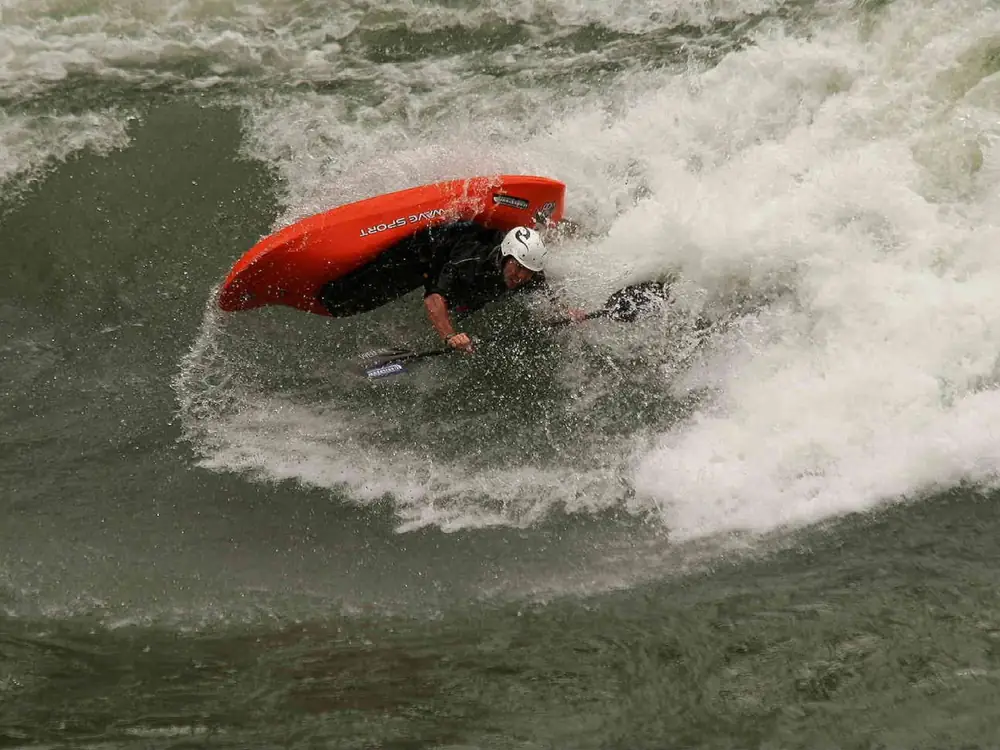
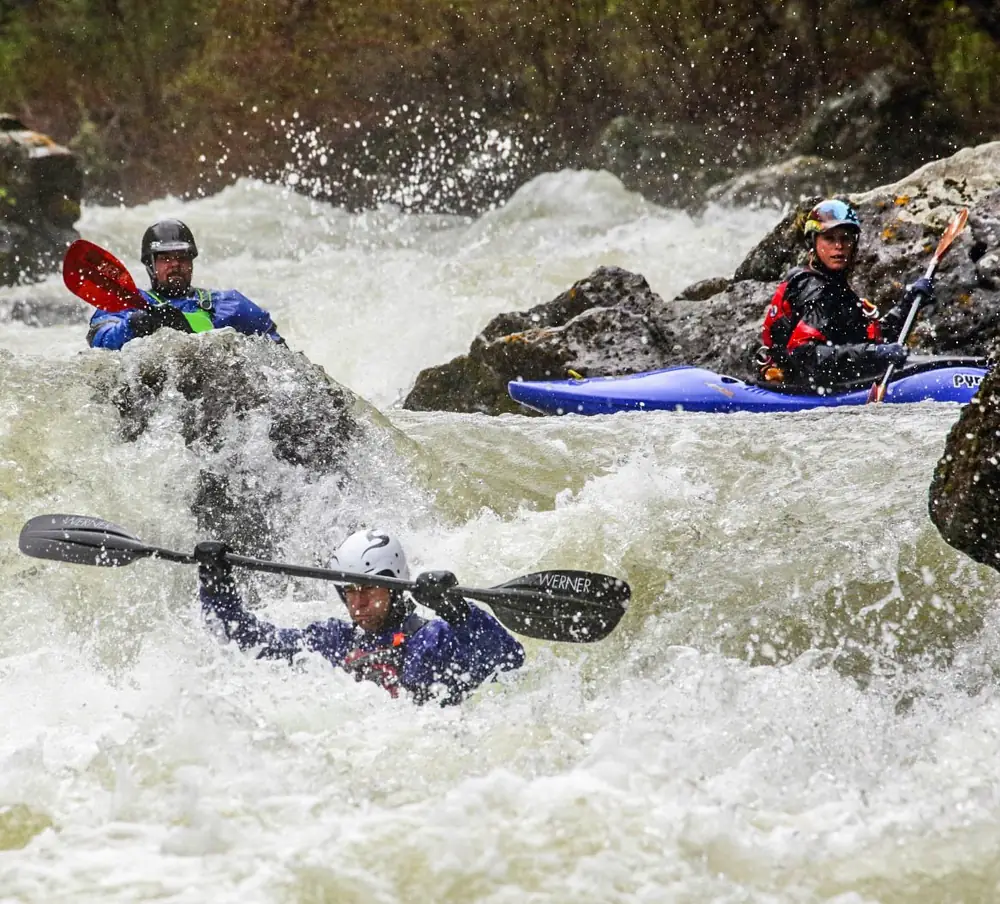
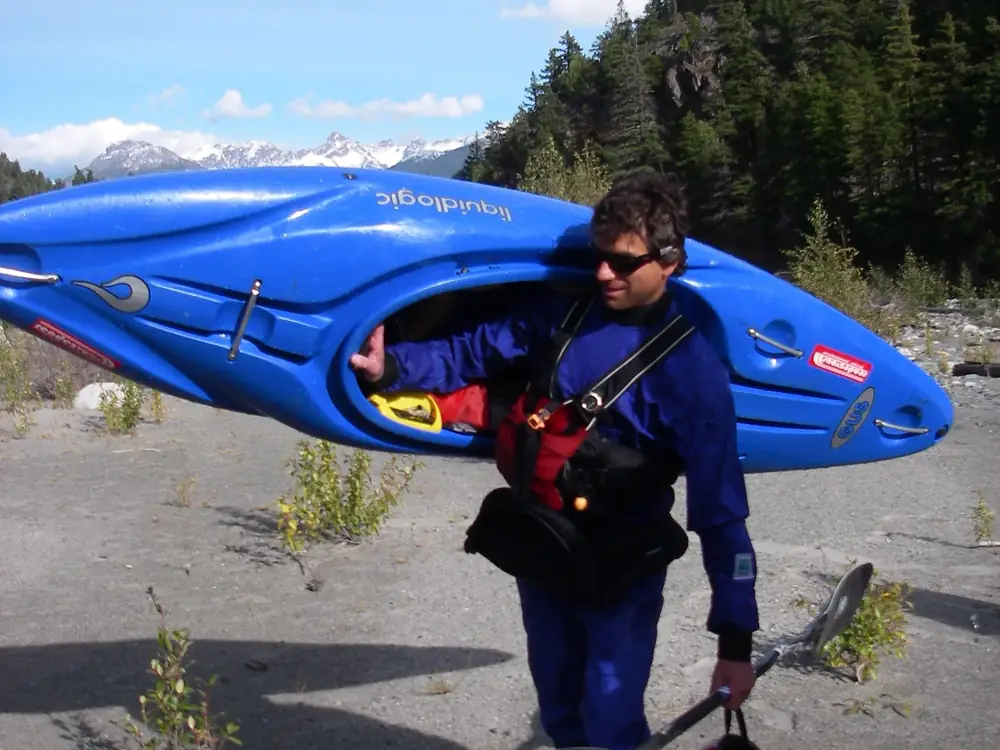
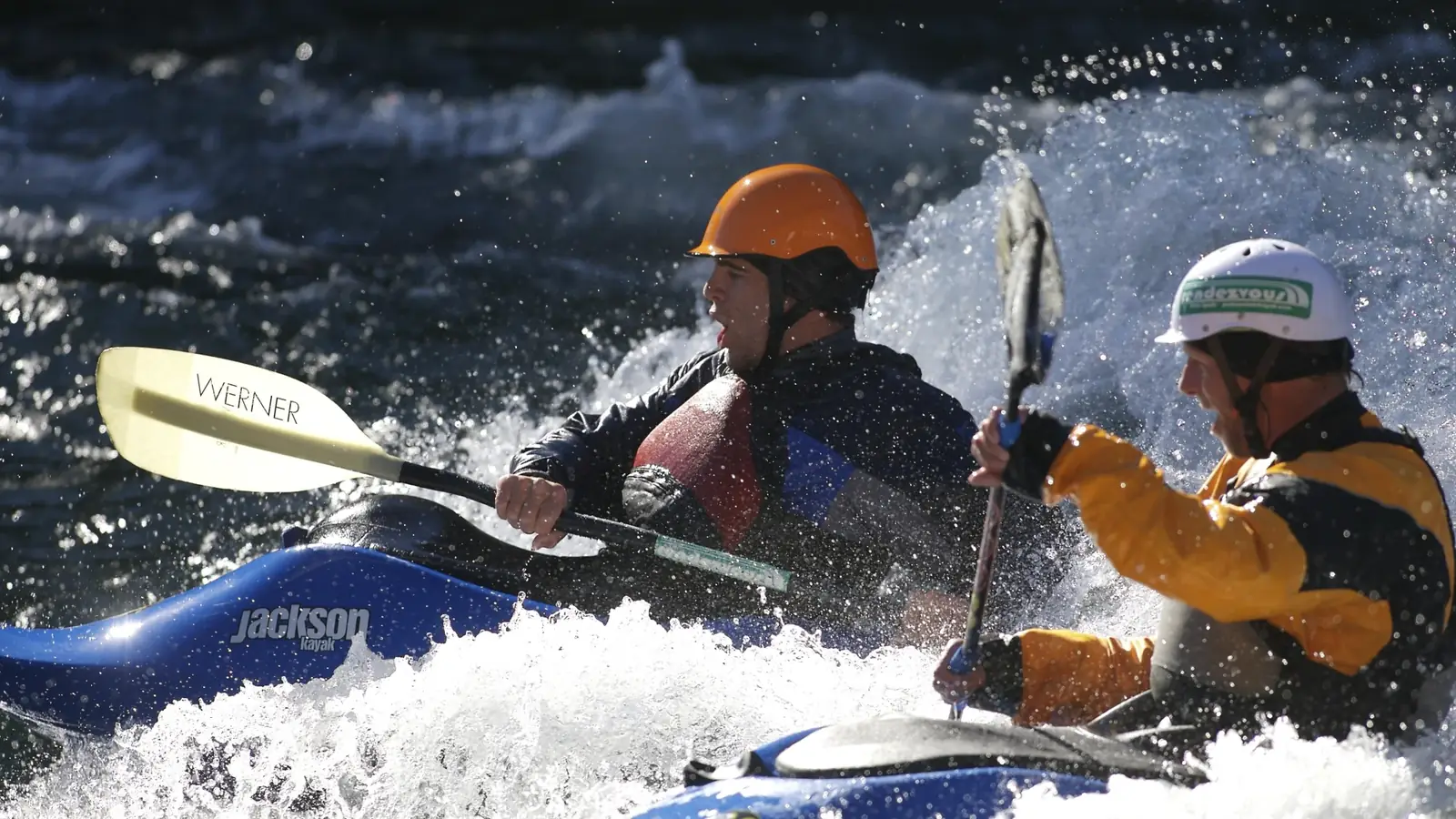
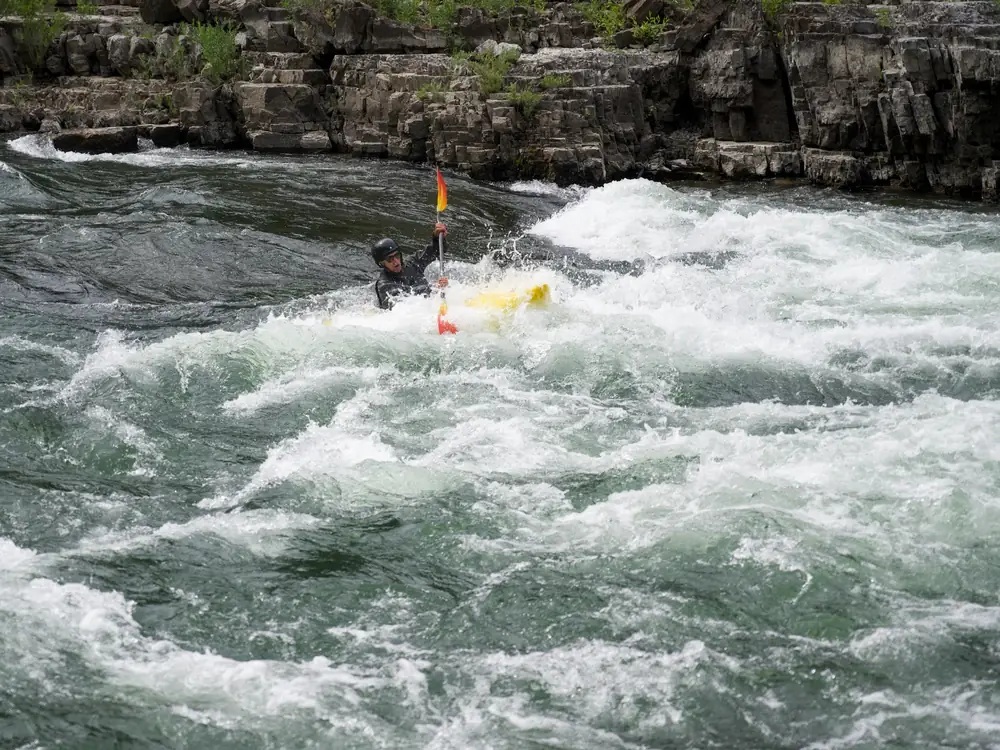
Rapids for ExpertsThe Greater Yellowstone region offers exceptional whitewater from the famous Snake River Canyon to lesser-known gems. This section provides detailed information on Snake River Alpine Canyon (Class III), Snake River Canyon (Class III-IV), Hoback River sections, other area whitewater runs, and rapid-by-rapid descriptions with current flow recommendations.
Lake Paddling
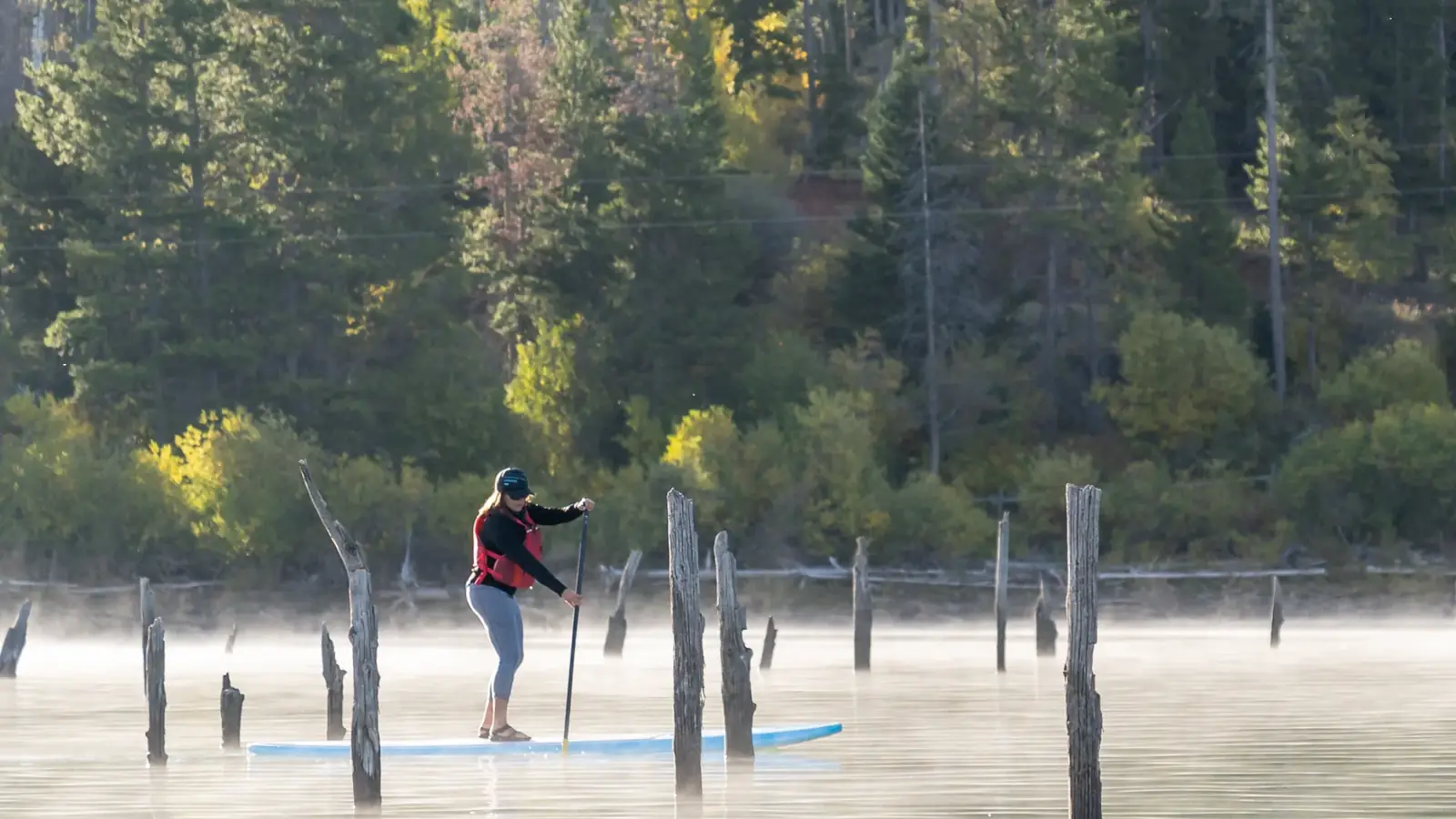
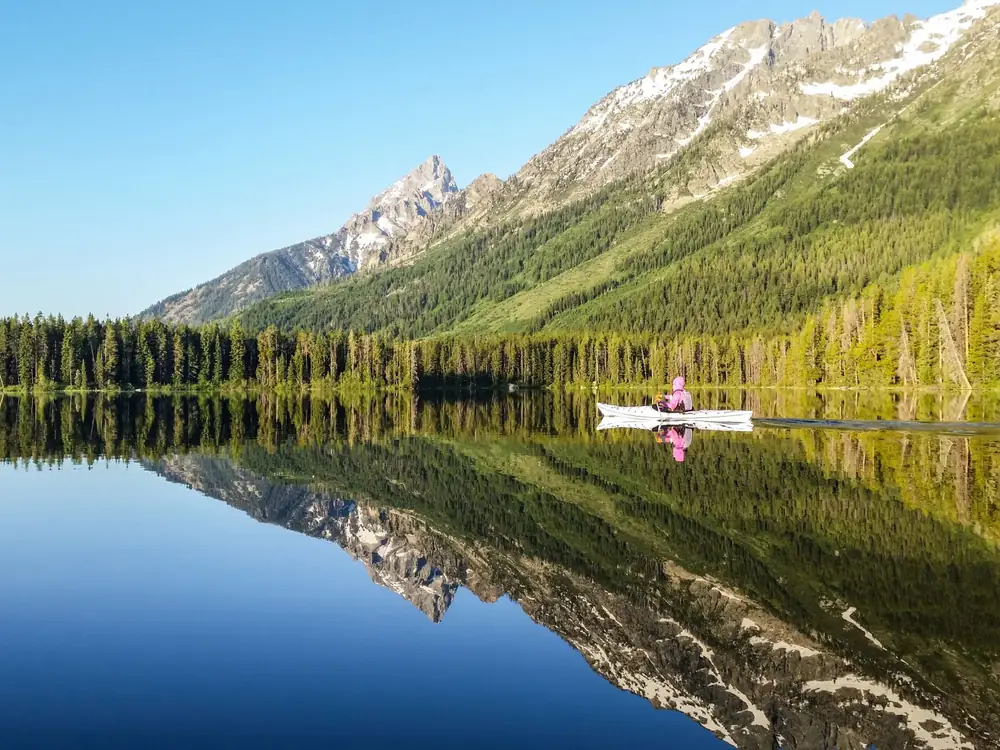
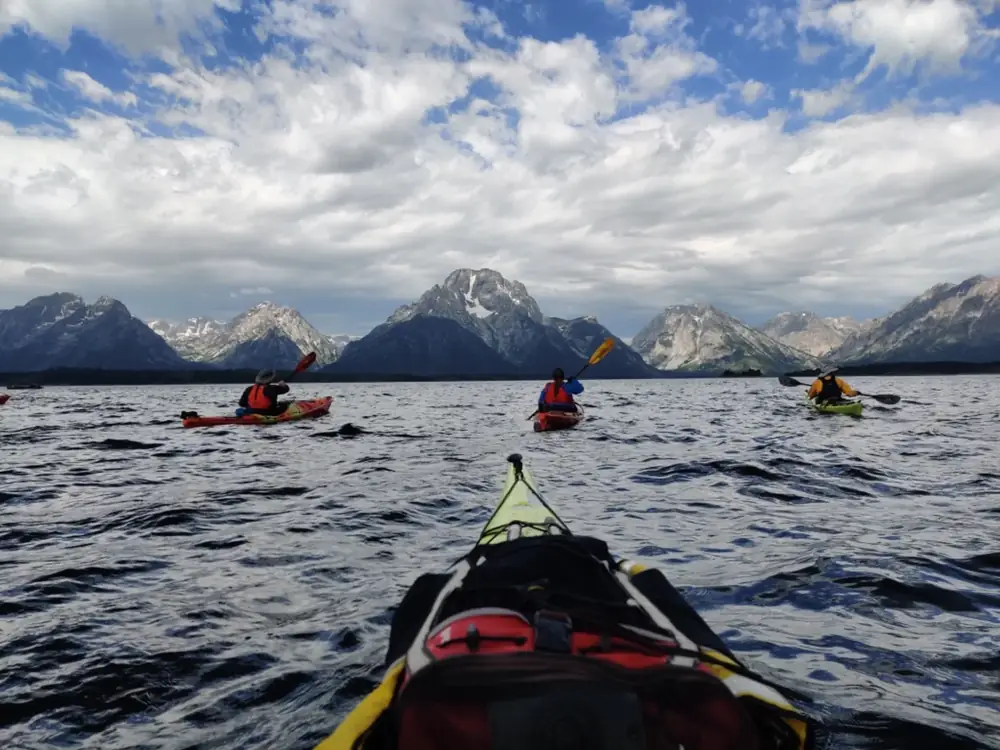
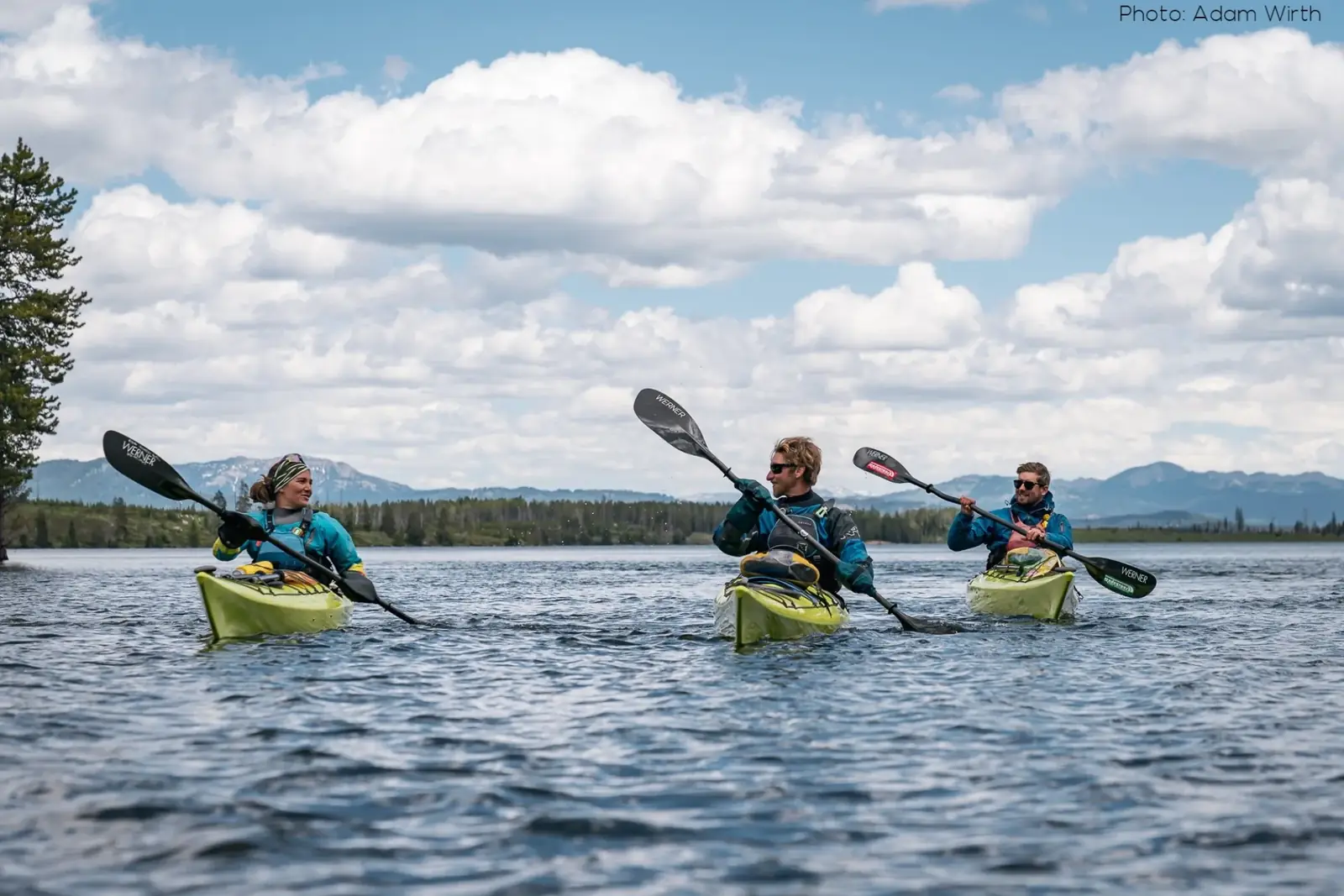
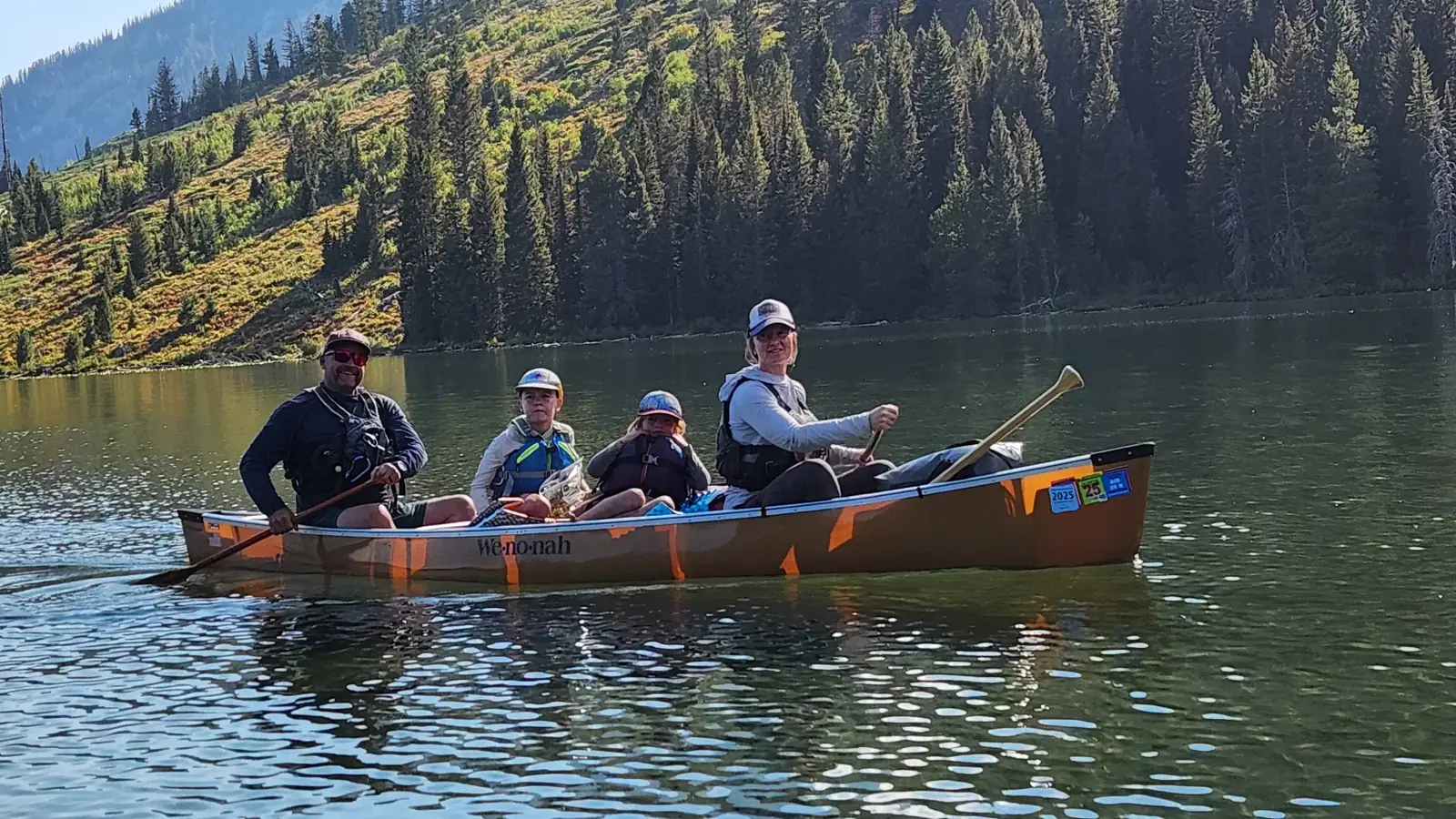
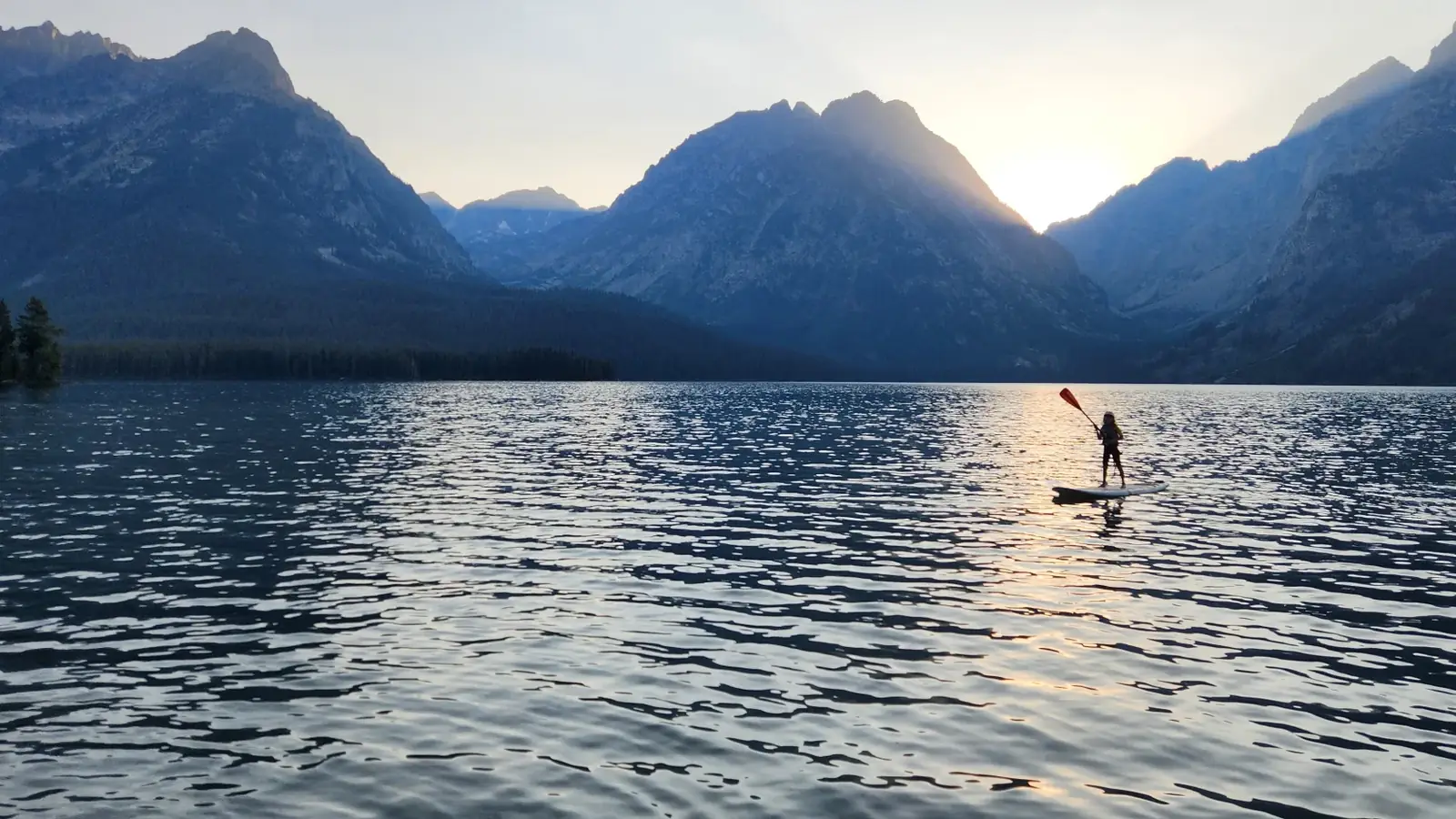
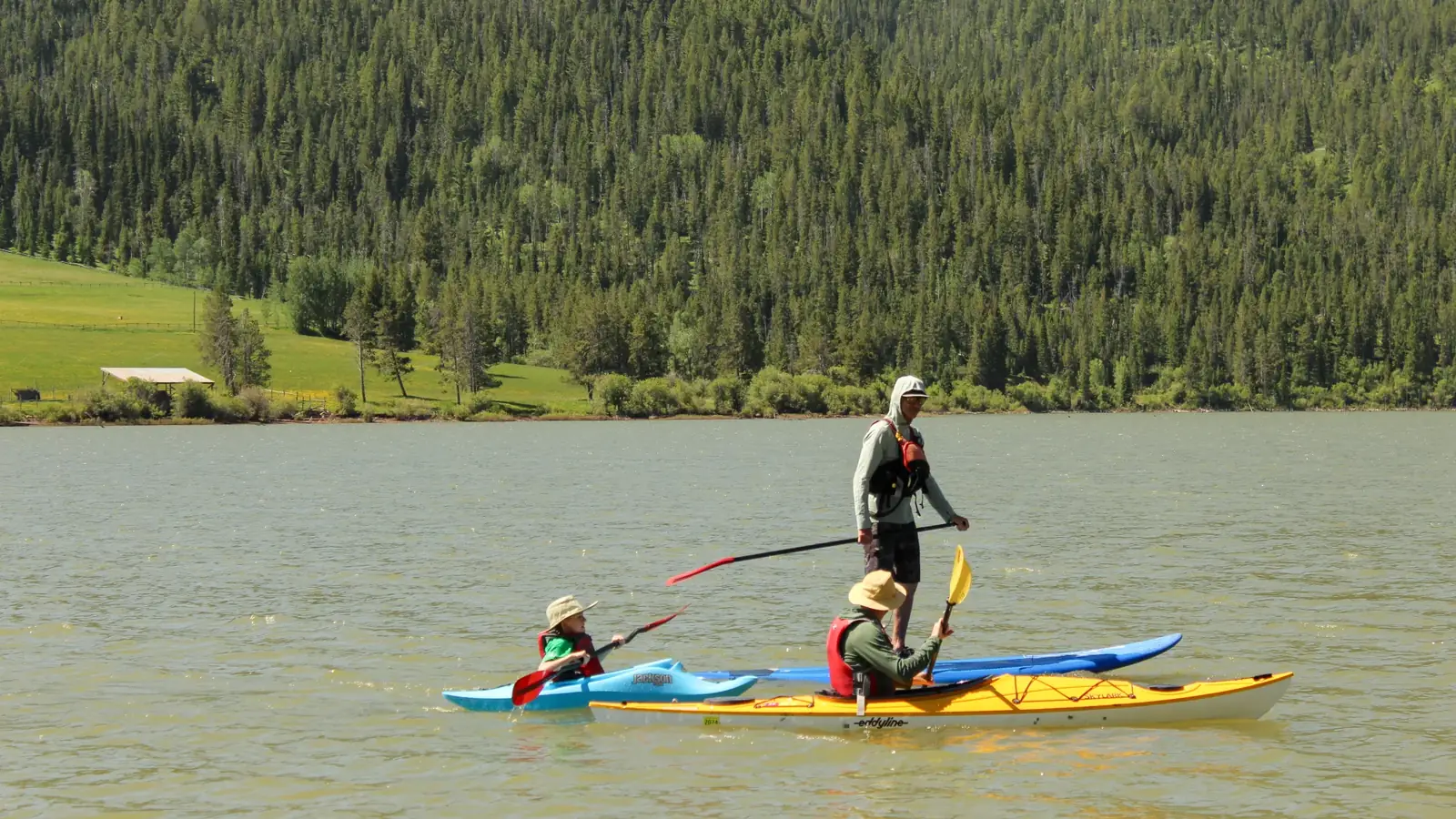
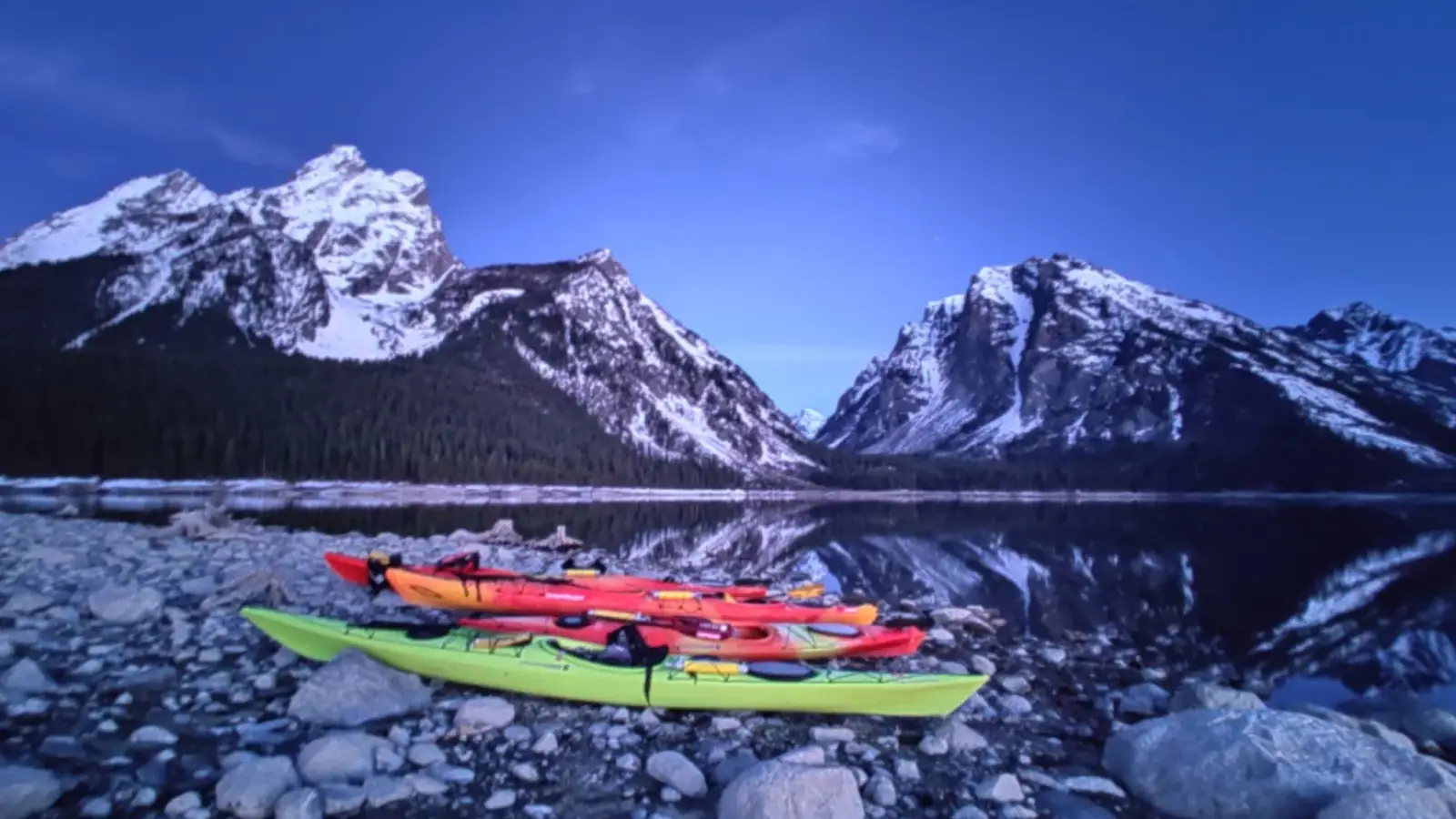
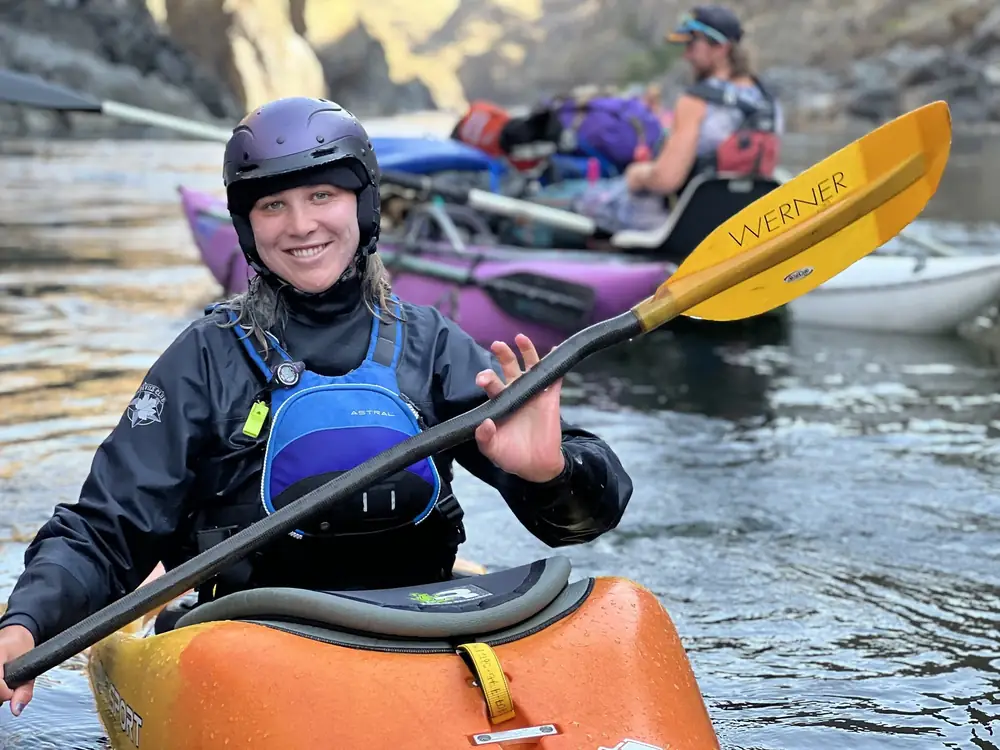
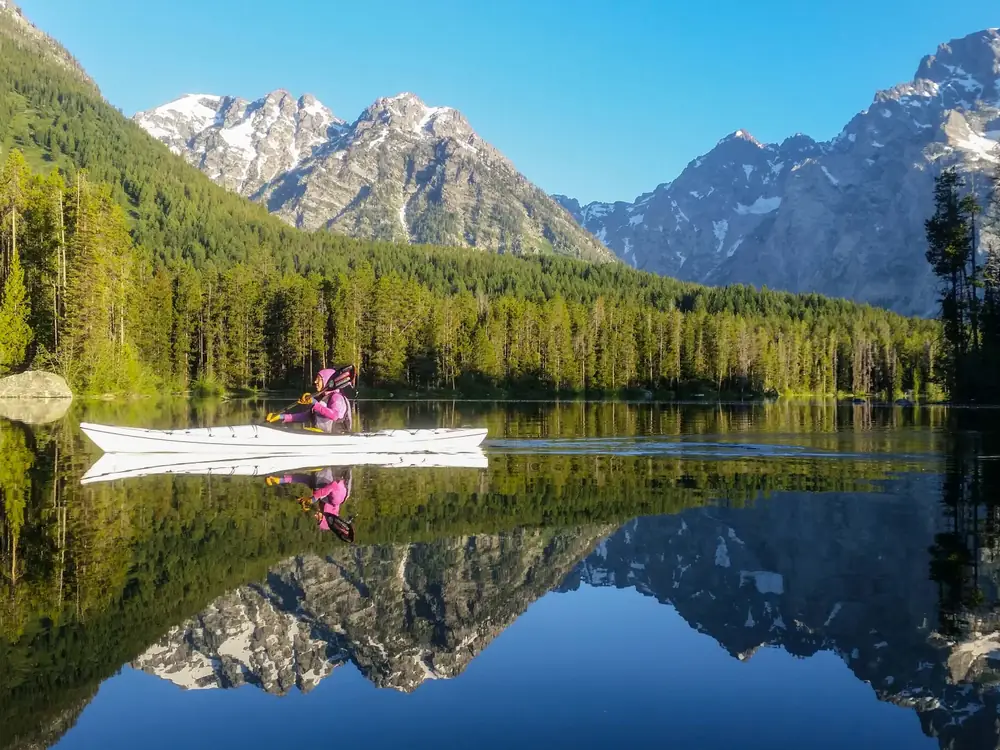
Regional Day TripsBeyond Jackson Lake overnight expeditions, the region offers excellent day trip lake paddling. This section covers Slide Lake in the Gros Ventre Wilderness (our primary day trip lake), Yellowstone Lake and Lewis Lake day tours, and other regional options. Note: Conditions vary, lakes can be rough as well as peaceful depending on weather.
Scenic Rivers
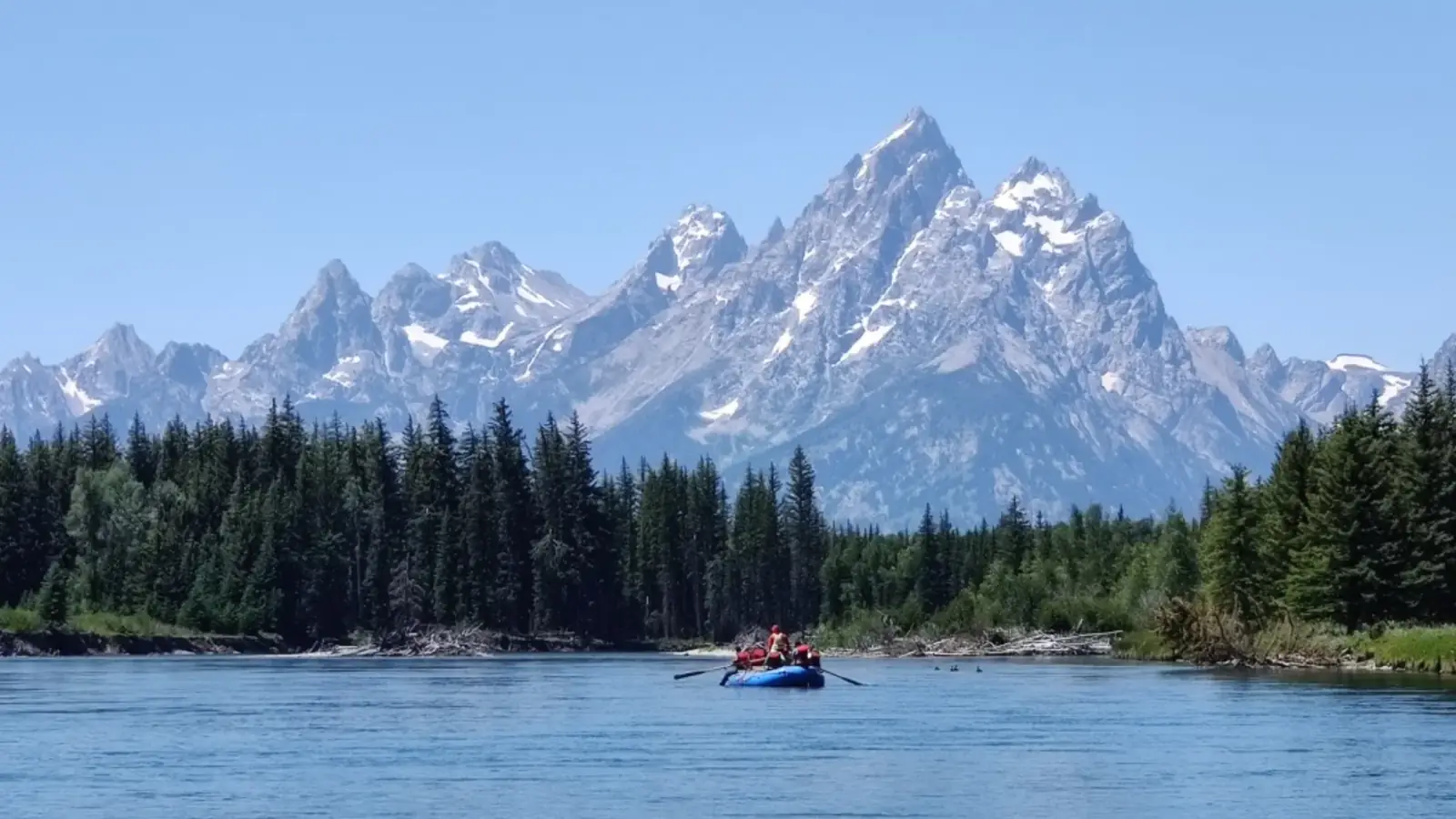
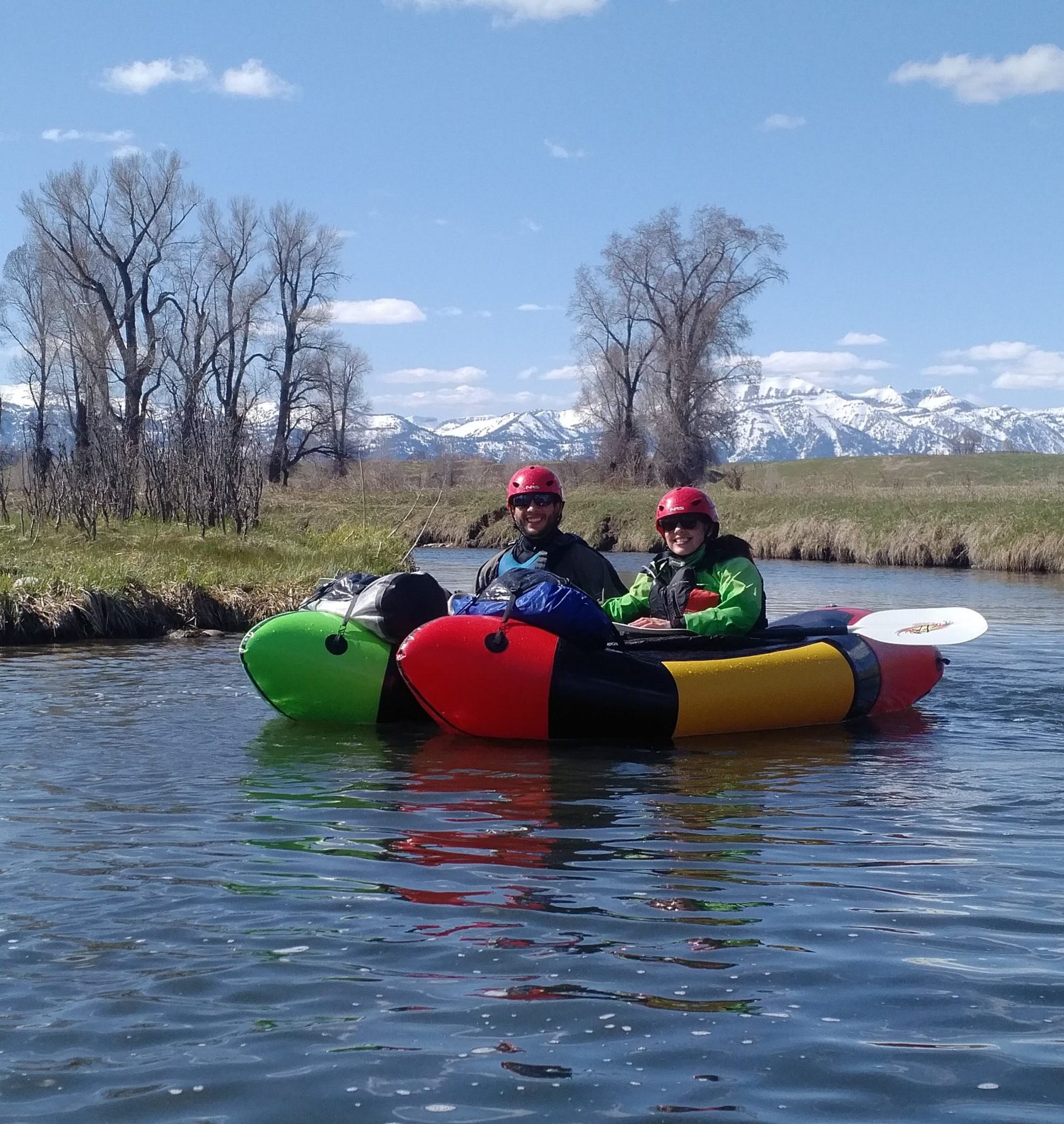
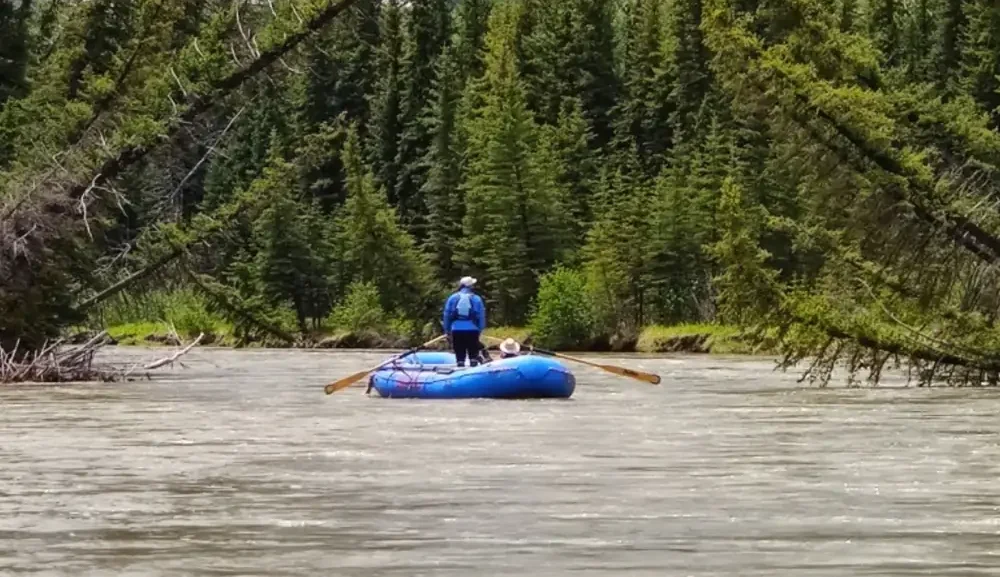
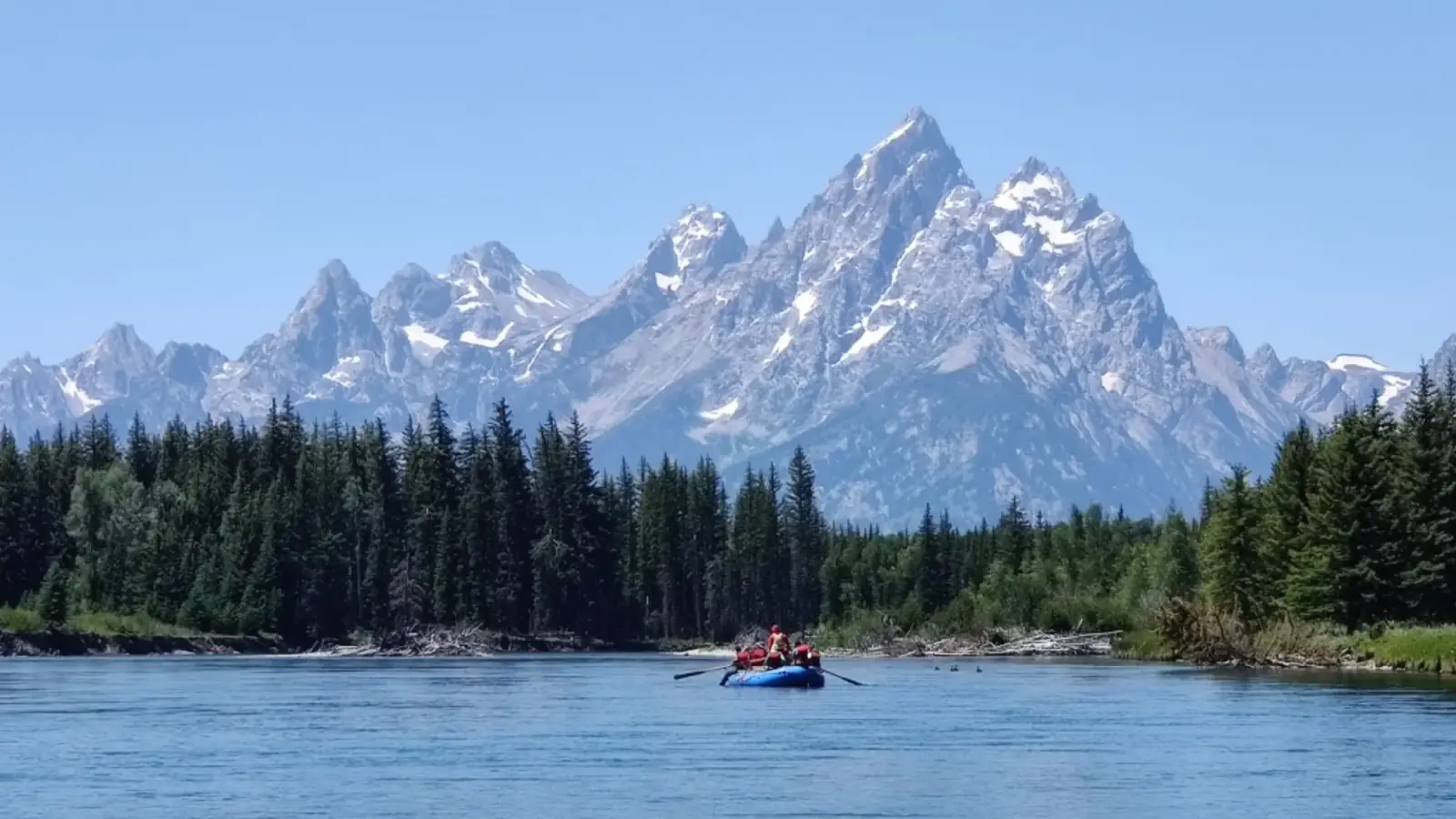
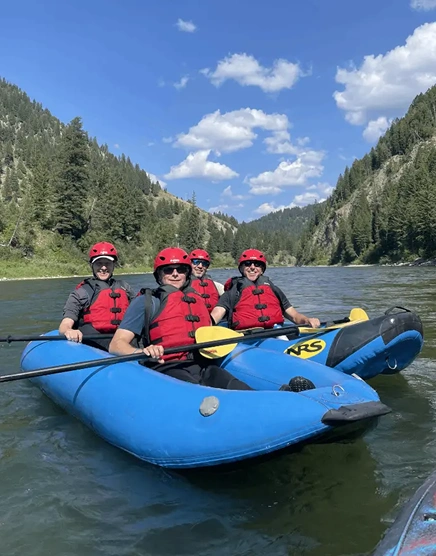
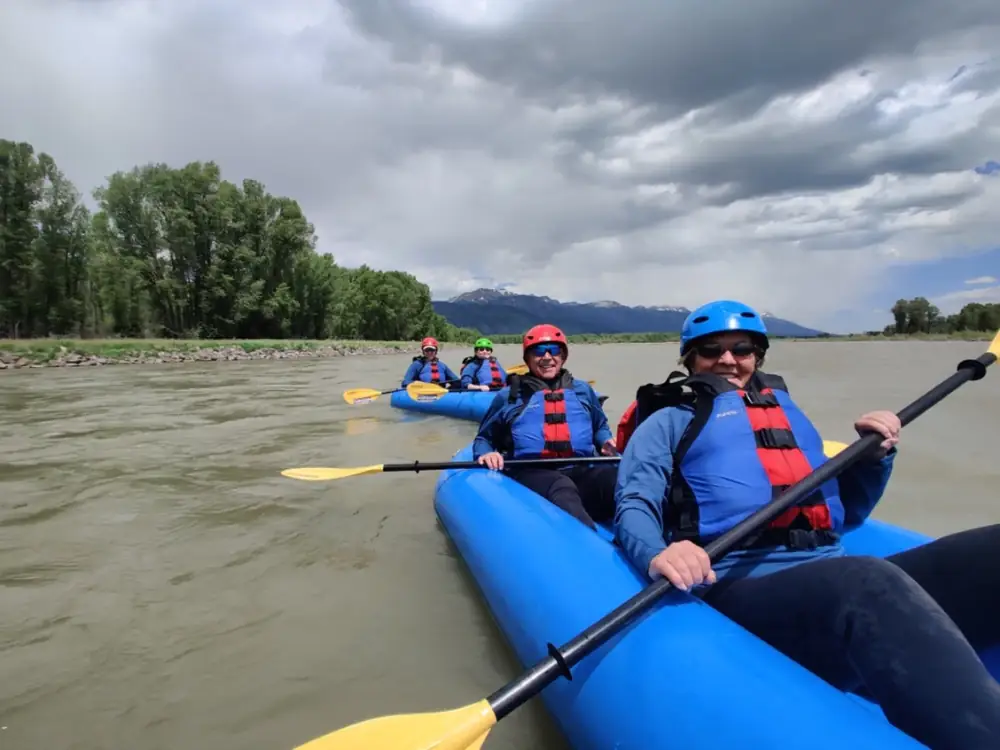
All-Ability FloatsNot every river trip needs to be a whitewater adventure. This section covers scenic float options including Snake River Wilson to South Park (our scenic section with Teton views), Snake River South Park to Astoria (Class I-II), other mellow river sections, and family-friendly floats. Note: Snake River in Grand Teton National Park is available only as part of our multi-day Jackson Lake expeditions.
Why Our Area Guide Stands Out
Based on Real, Current Experience
This isn’t information copied from guidebooks or gleaned from internet research. Every section reflects actual, recent on-water experience from our guides and instructors who paddle these waters professionally. We update condition reports regularly based on what we’re seeing right now, not what a book said years ago.
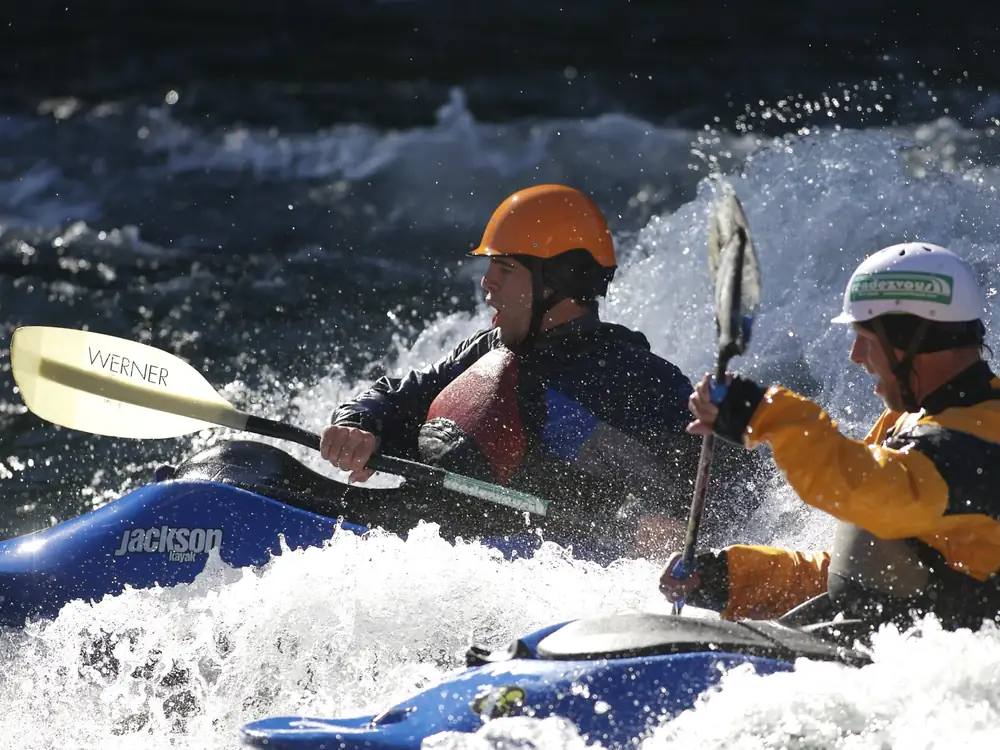
Honest Difficulty Assessments
We provide realistic evaluations of what different destinations require: skill level, fitness, equipment needs, and potential challenges. Our goal is matching you with appropriate adventures where you’ll succeed and have fun, not selling you trips beyond your abilities or boring you with overly conservative recommendations.
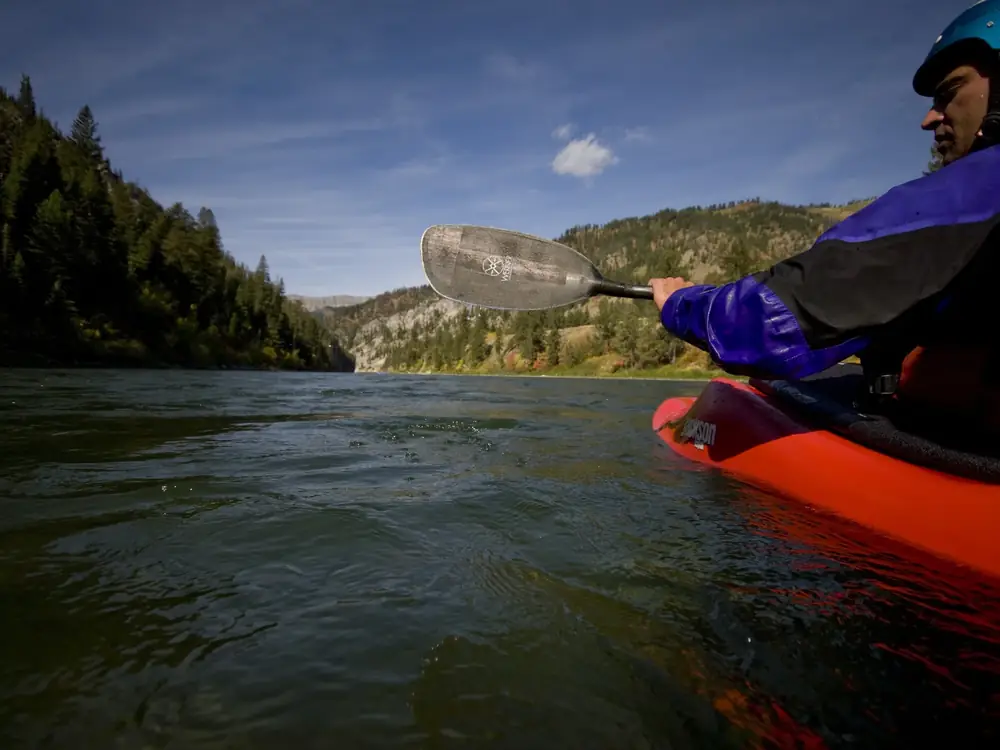
Insider Knowledge You Won't Find Elsewhere
Thirty-plus years exploring these waters reveals details that casual visitors and even many locals don’t know, including the best wildlife viewing times, hidden camping spots, optimal photography angles, seasonal hatches for fishing, how different lakes paddle at various water levels, and which rapids get dangerous at specific flows.
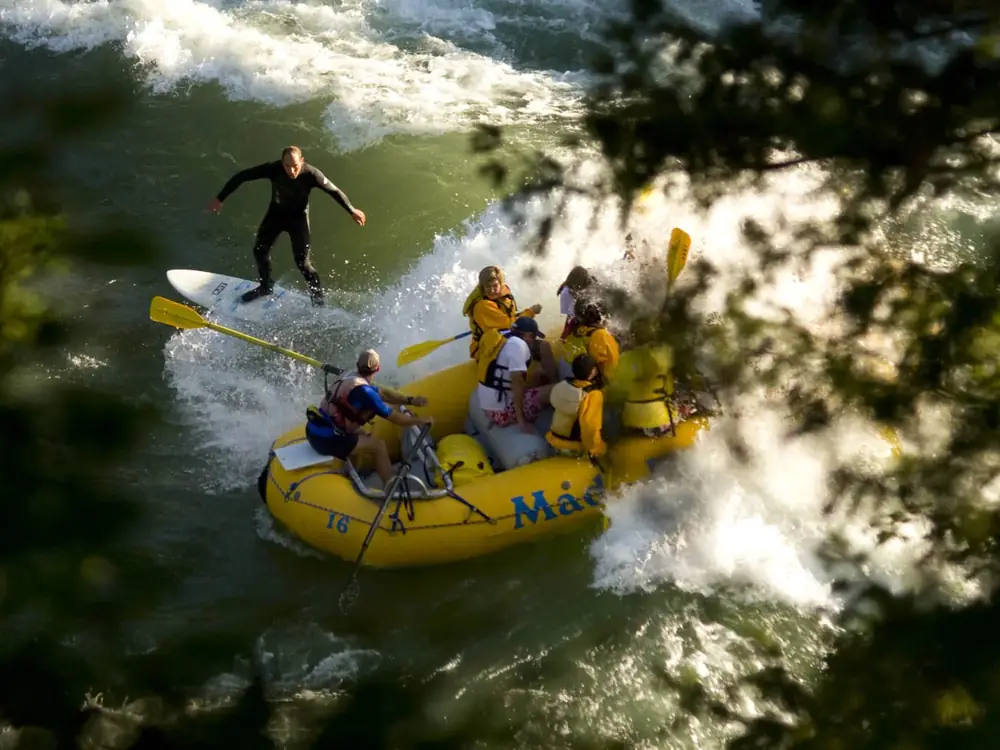
Comprehensive Logistics Information
Beautiful destinations don’t help if you can’t figure out how to get there. We provide detailed access information, shuttle logistics for river trips, permit requirements, parking details, best times to visit, and everything practical you need to actually execute trips rather than just dreaming about them.
Frequently Asked Questions
Before You GoDepends on what you’re paddling and what you want! Lake paddling: July-September offers warmest water and most stable weather. Whitewater: May-July provides exciting flows, though water is cold and requires wetsuits/drysuits. Scenic river floats: June-September all work well. For solitude, visit shoulder seasons (May-June, September-October) when crowds thin. Our River Report provides current seasonal guidance.
For day paddling, no special permits beyond park entry are required. For overnight backcountry camping trips, backcountry permits are mandatory and must be obtained in advance. We hold permits for specific campsites as the authorized kayaking outfitter. Yellowstone Lake has additional boating permit requirements. We explain all permit processes in our park-specific guide sections.
For absolute beginners: Slide Lake offers beautiful mountain scenery and is our primary day trip lake destination. For gentle river floats: Snake River Wilson to South Park provides scenic floating with minimal technical challenges. We detail beginner-appropriate options throughout the Area Guide with honest assessments of what each requires.
Our River Report page provides interpreted flow data specific to paddling, not just numbers but what those flows mean for different craft and skill levels. We also link to USGS gauges for those wanting raw data. Check the River Report before any river trip, as conditions change dramatically throughout the season.
This guide is for everyone! Whether you’re renting from us, using your own equipment, planning guided trips, or scouting for future visits, the information helps anyone paddle Jackson Hole waters successfully. We share knowledge freely because we want people to have great experiences and paddle safely, regardless of where they get their gear.
River reports update weekly during peak season (June-August) and as conditions change significantly. Park information updates reflect current regulations and seasonal closures. Access information updates when changes occur. Unlike printed guidebooks that age quickly, our online guide stays current with actual conditions and recent experience.
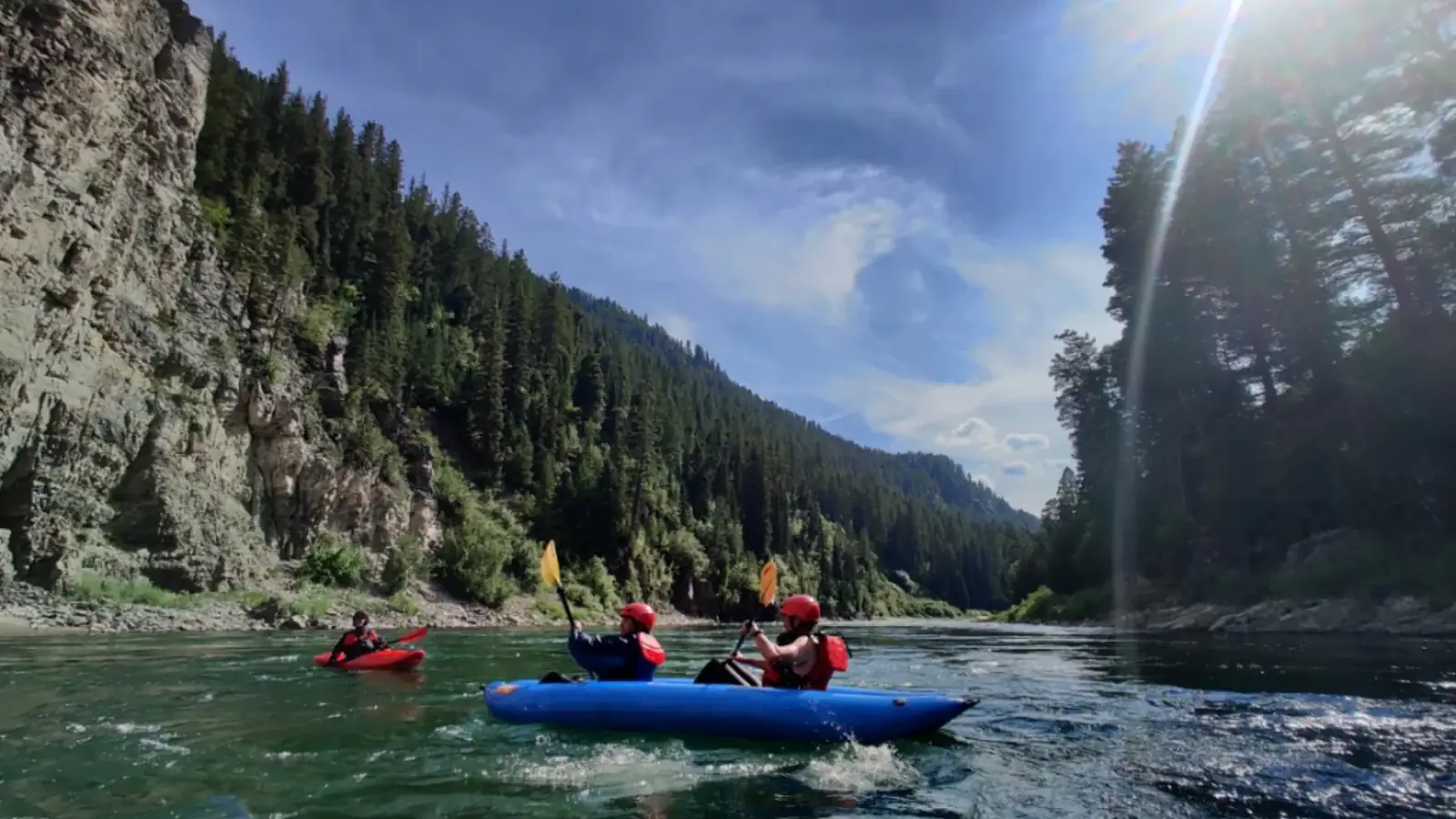
Ready to explore Jackson Hole's incredible paddling destinations?
Browse our Area Guide to plan your adventure. We’ll provide personalized recommendations, current condition updates, and all the equipment you need to paddle these spectacular waters.
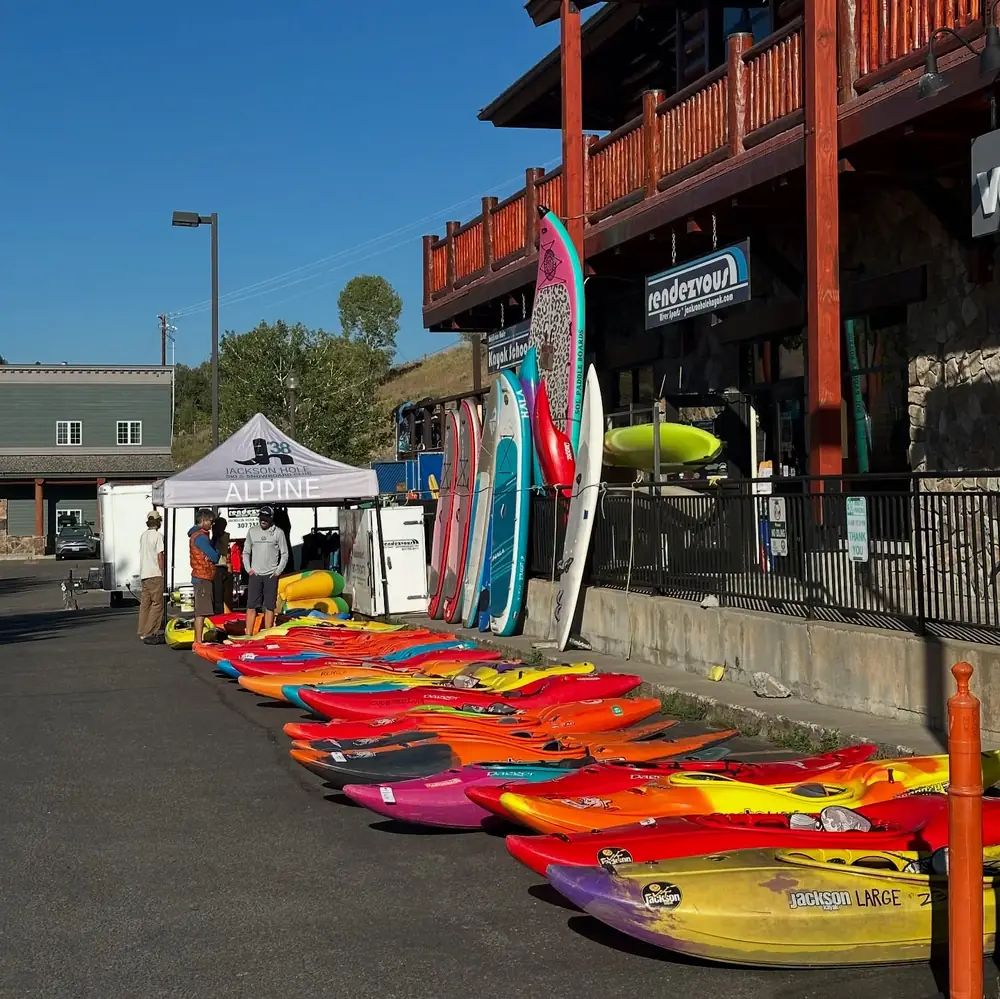
Email us at [email protected] or call (307) 733-2471 or stop by our shop at 945 W. Broadway in Jackson.