

The Greater Yellowstone Ecosystem
22 Million Acres of WildThe Greater Yellowstone Ecosystem
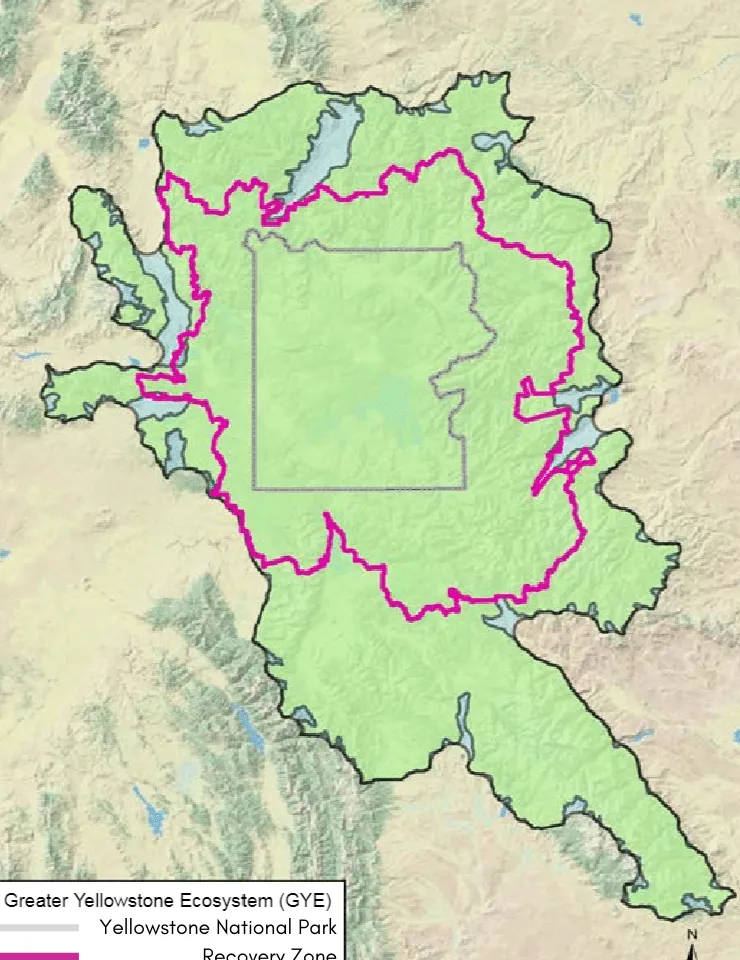
Where We Live, Guide & ProtectWe are fortunate to guide, instruct, and live in the heart of the Greater Yellowstone Ecosystem. The GYE is a vast geographical area encompassing roughly 22 million acres of northwest Wyoming and parts of eastern Idaho and Montana.
The area includes all of Yellowstone and Grand Teton National Parks, the John D. Rockefeller Memorial Parkway, 11 wilderness areas, six National Forests, three wildlife refuges, and parts of the Wind River Indian Reservation, Bureau of Land Management lands, state lands, and significant areas of private land — many protected by land trust conservation easements.
The GYE has global importance as the largest nearly intact temperate ecosystem in the world, containing the vast majority of plant and animal species that existed prior to European settlement and one of the world’s largest collections of geothermal features.
Grand Teton National Park
Dramatic Peaks & Pristine Lakes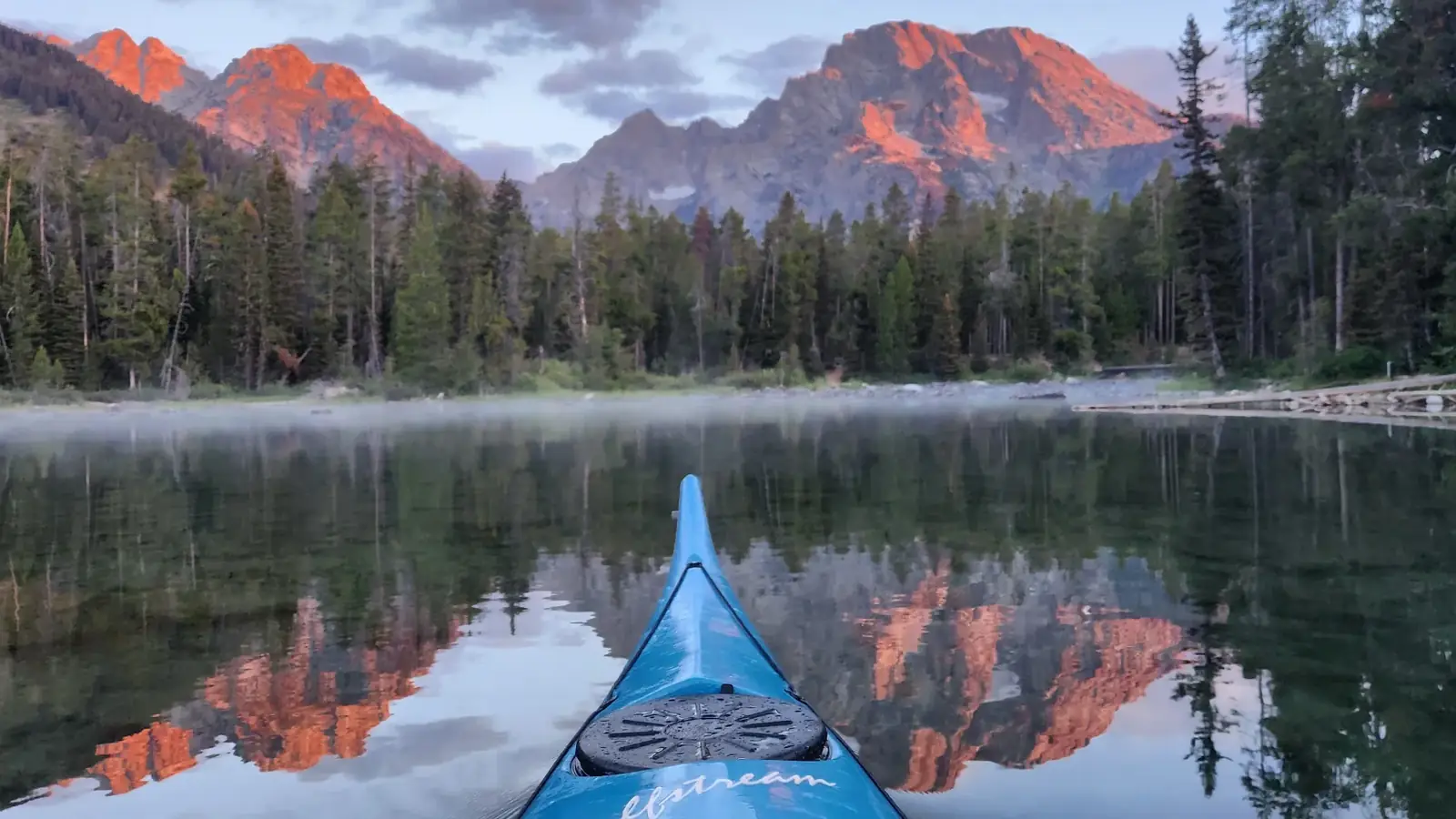
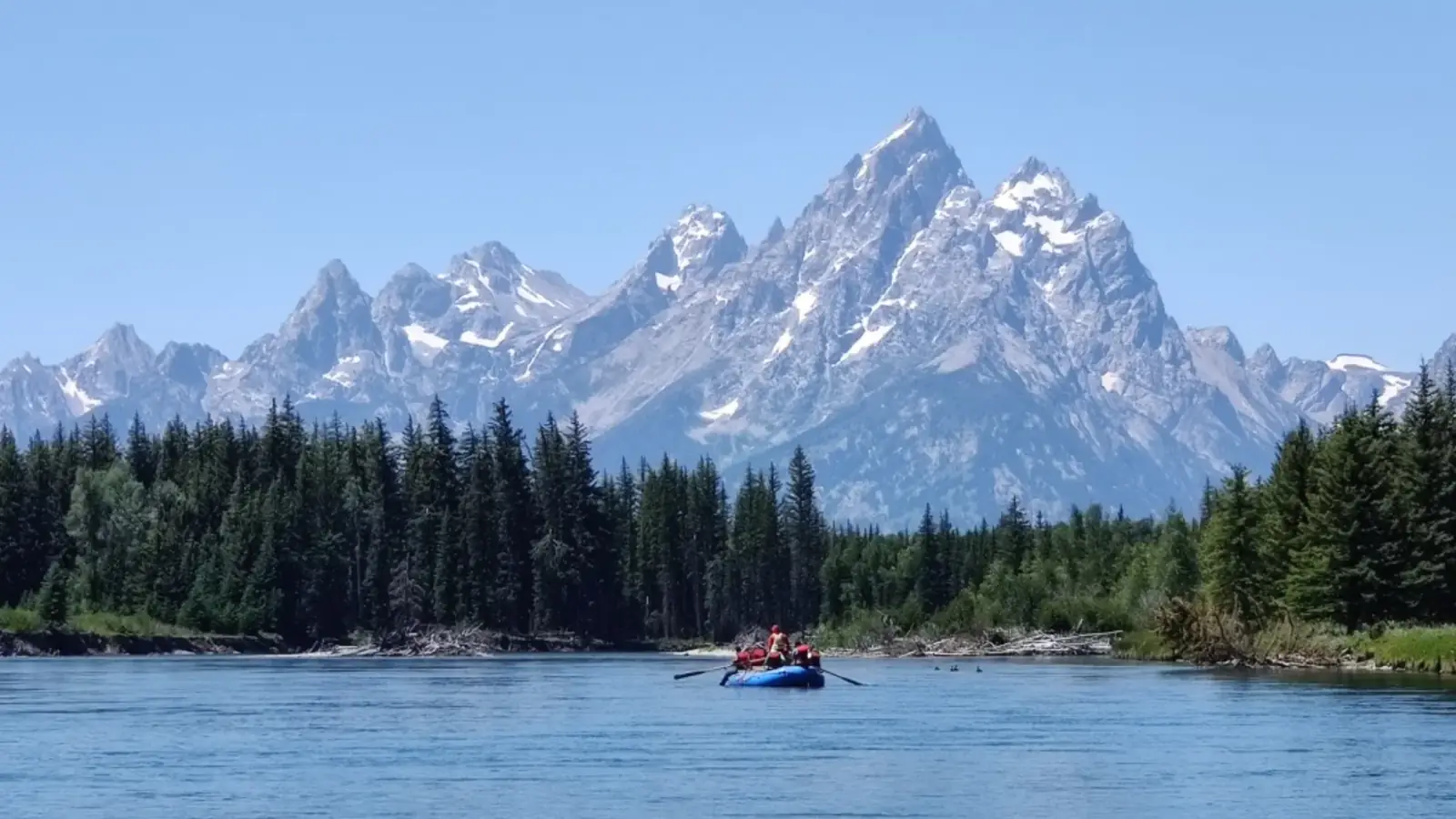
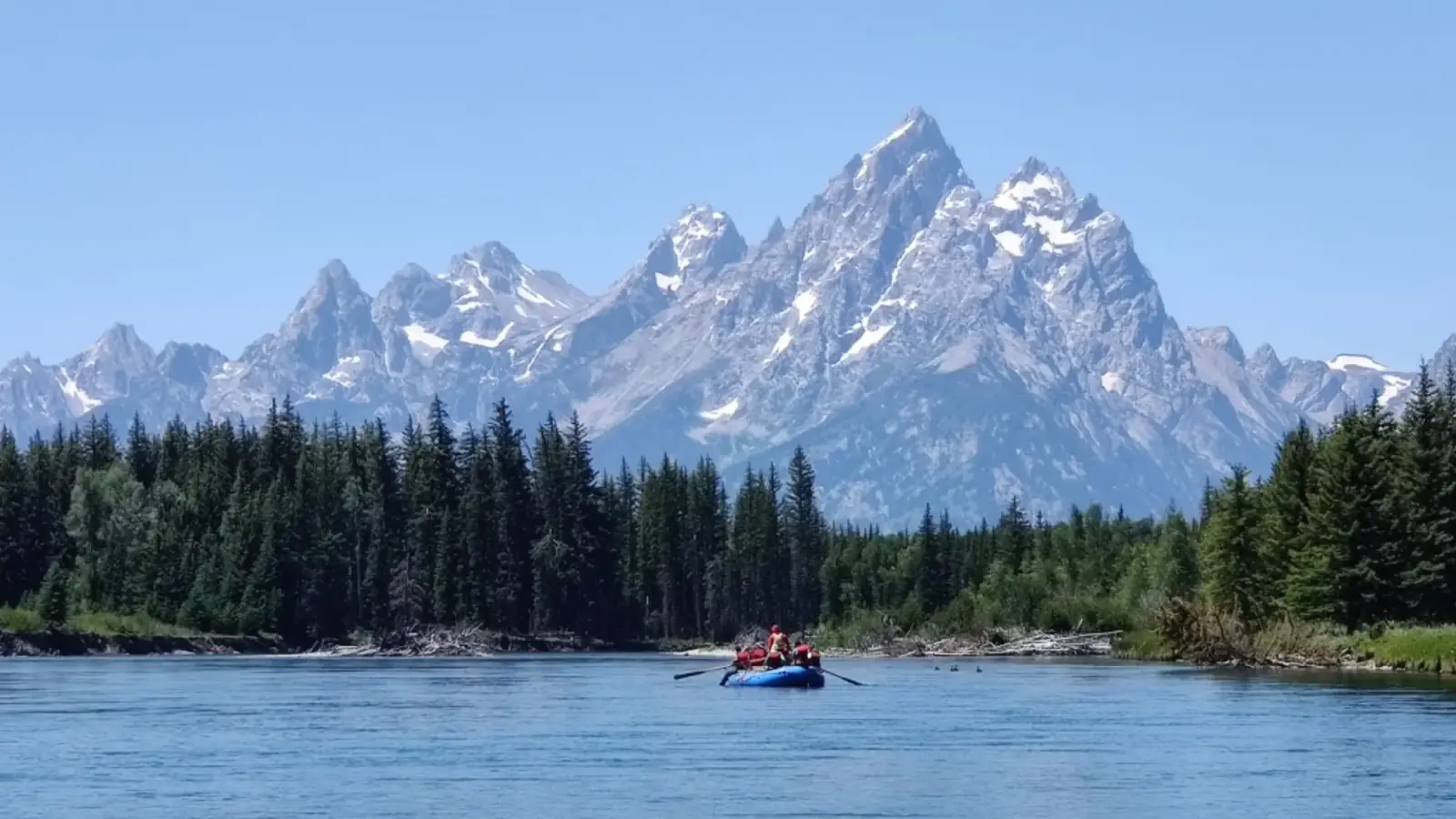
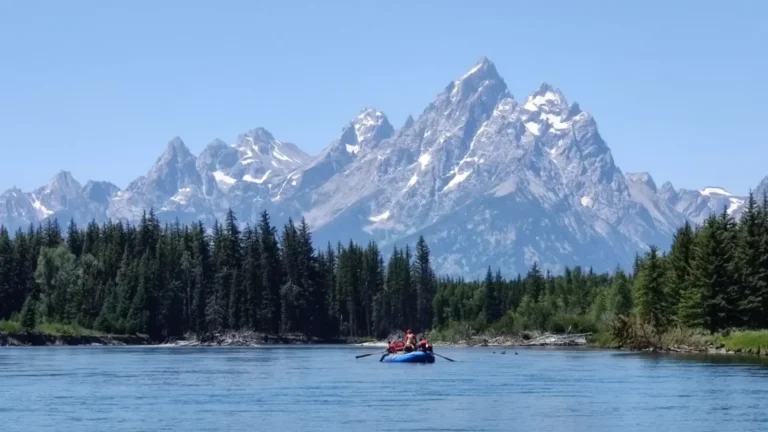
Grand Teton National Park protects some of the most dramatic mountain scenery in North America. The Teton Range rises abruptly from the valley floor — no foothills soften the approach — creating one of the most iconic skylines on Earth.
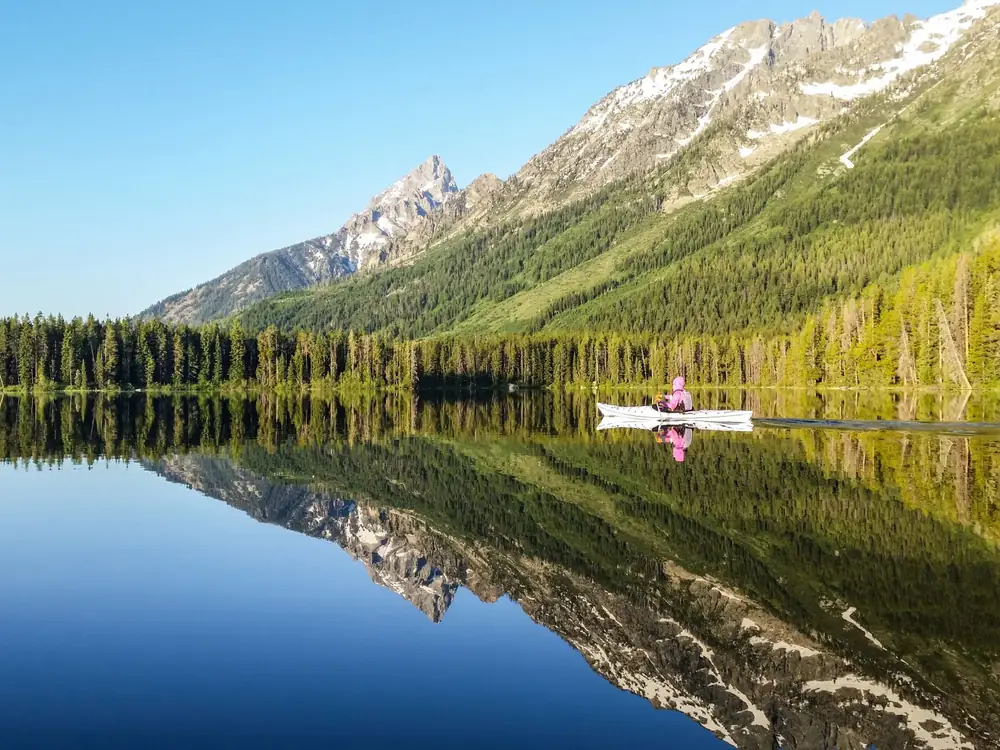
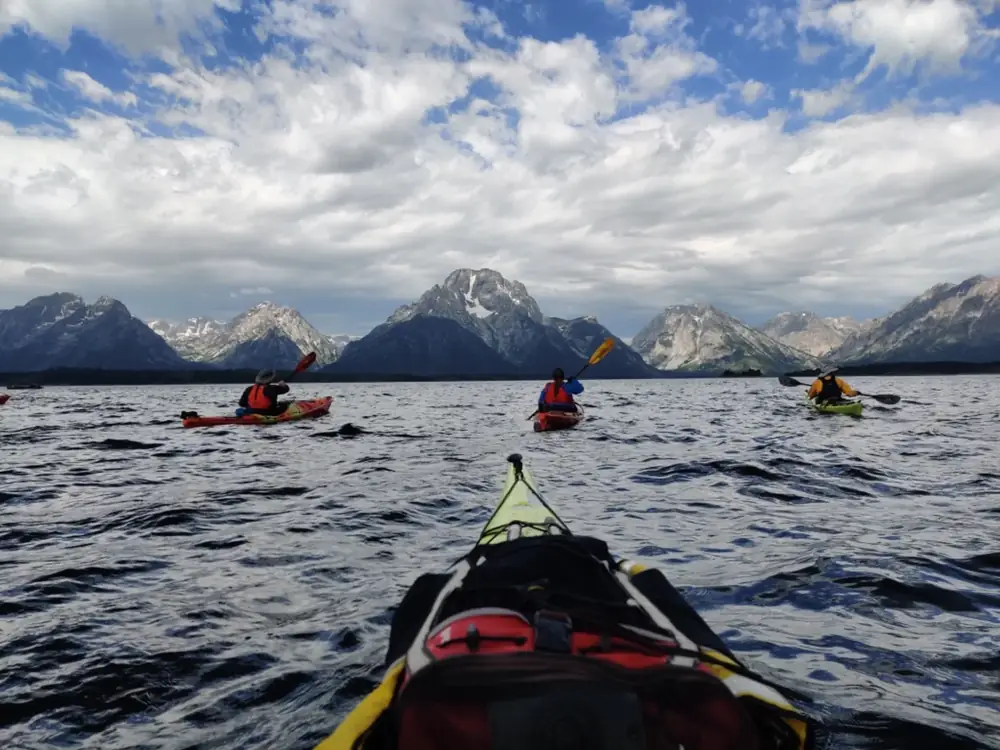
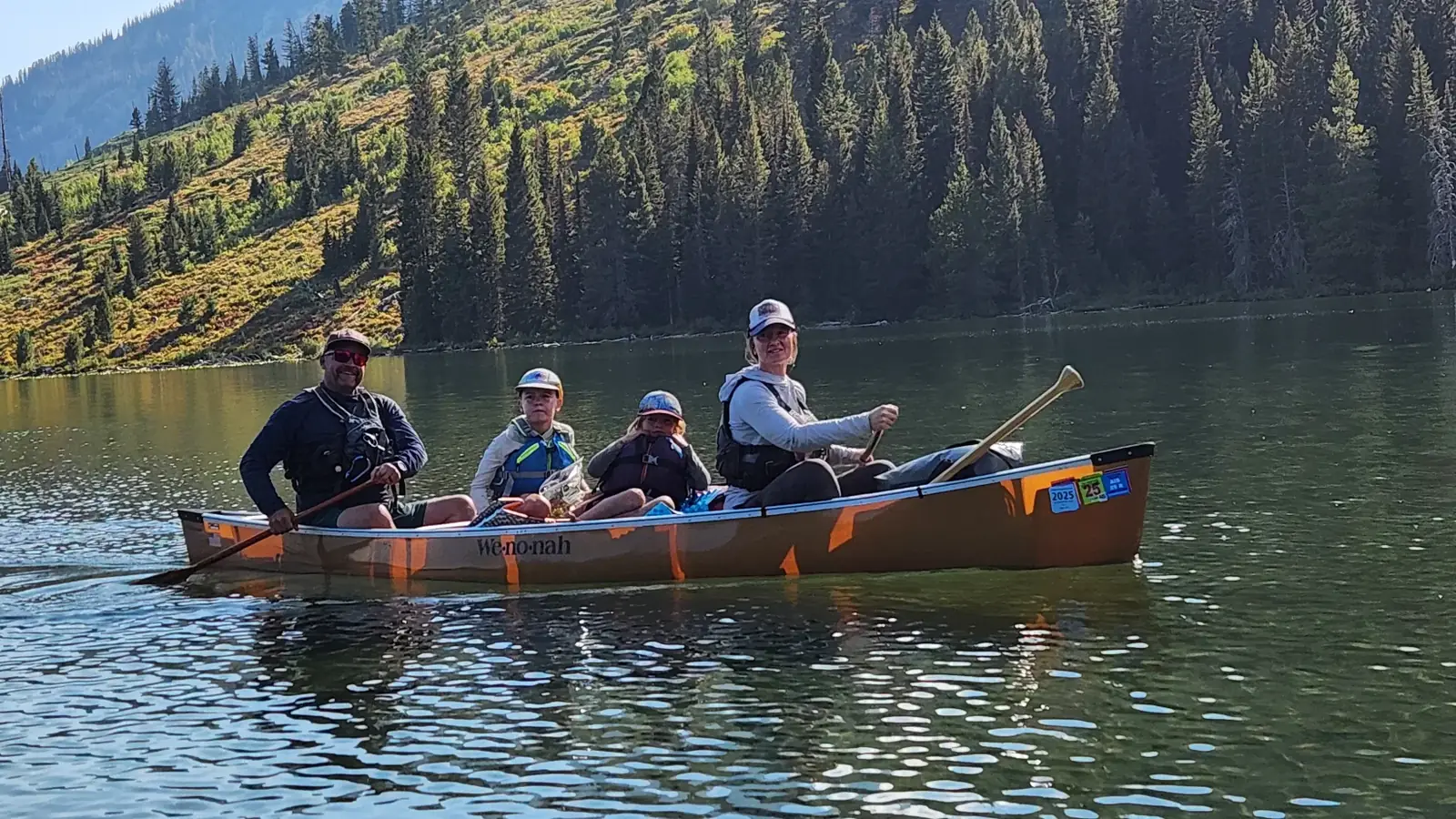
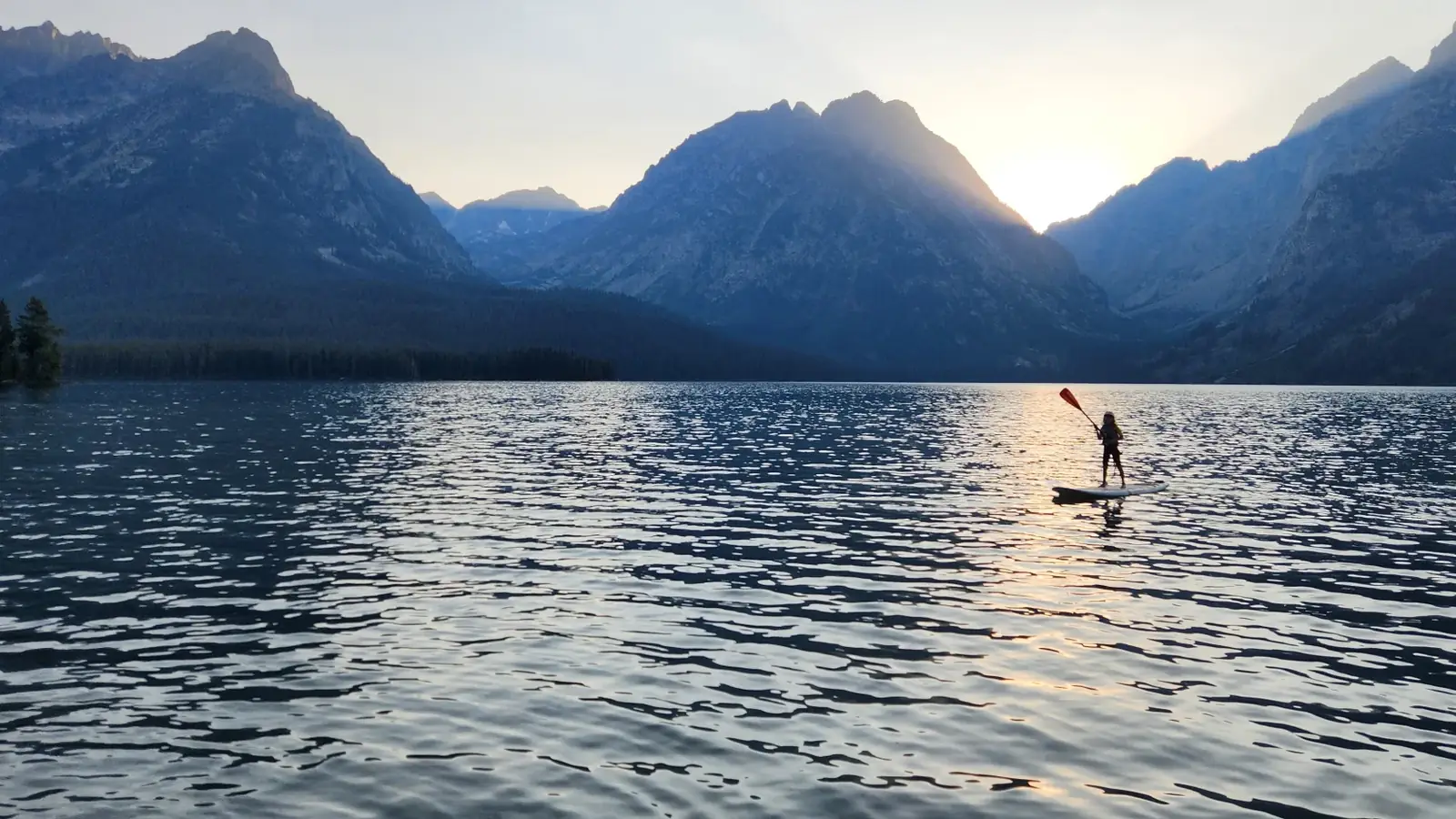
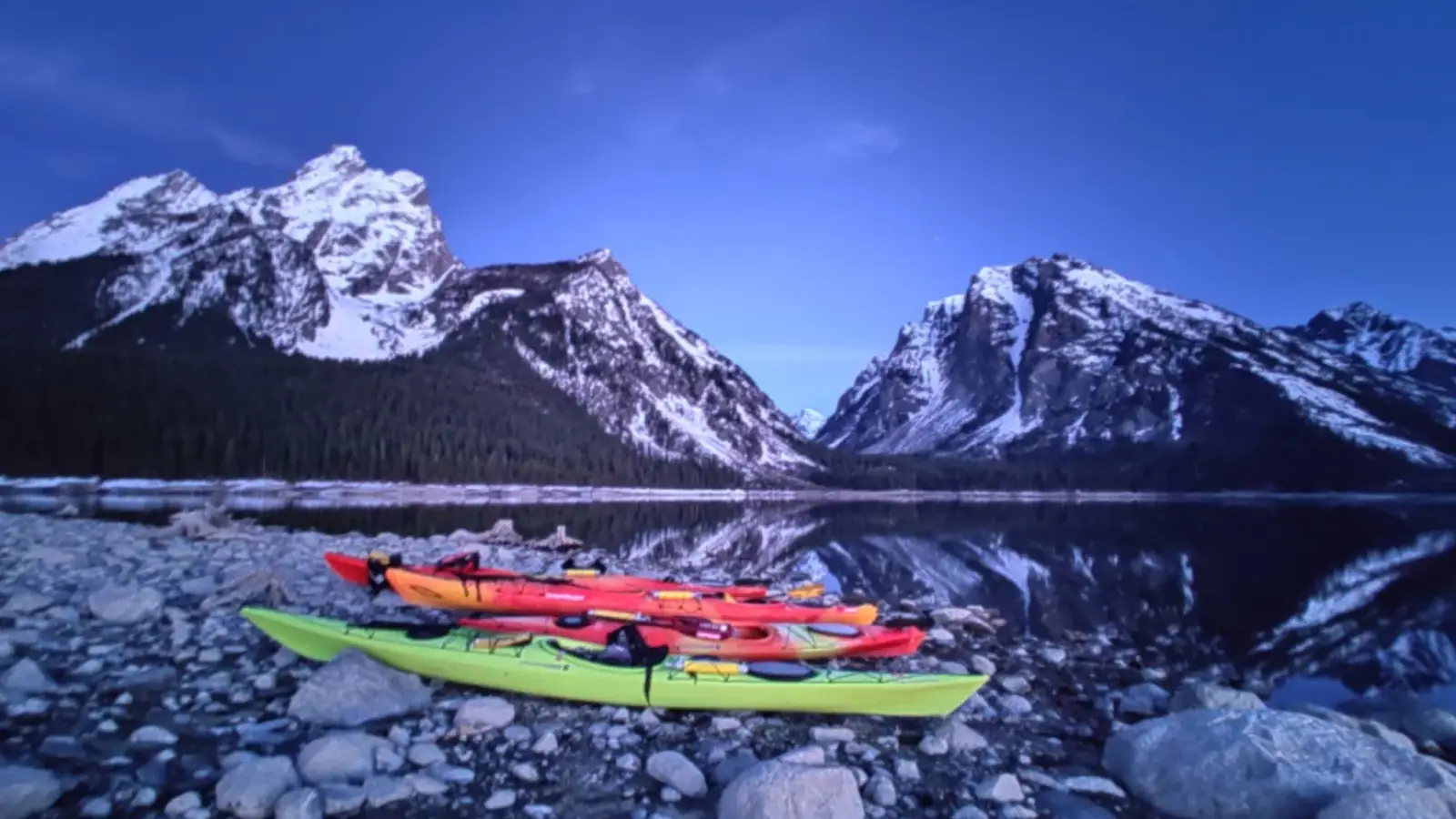
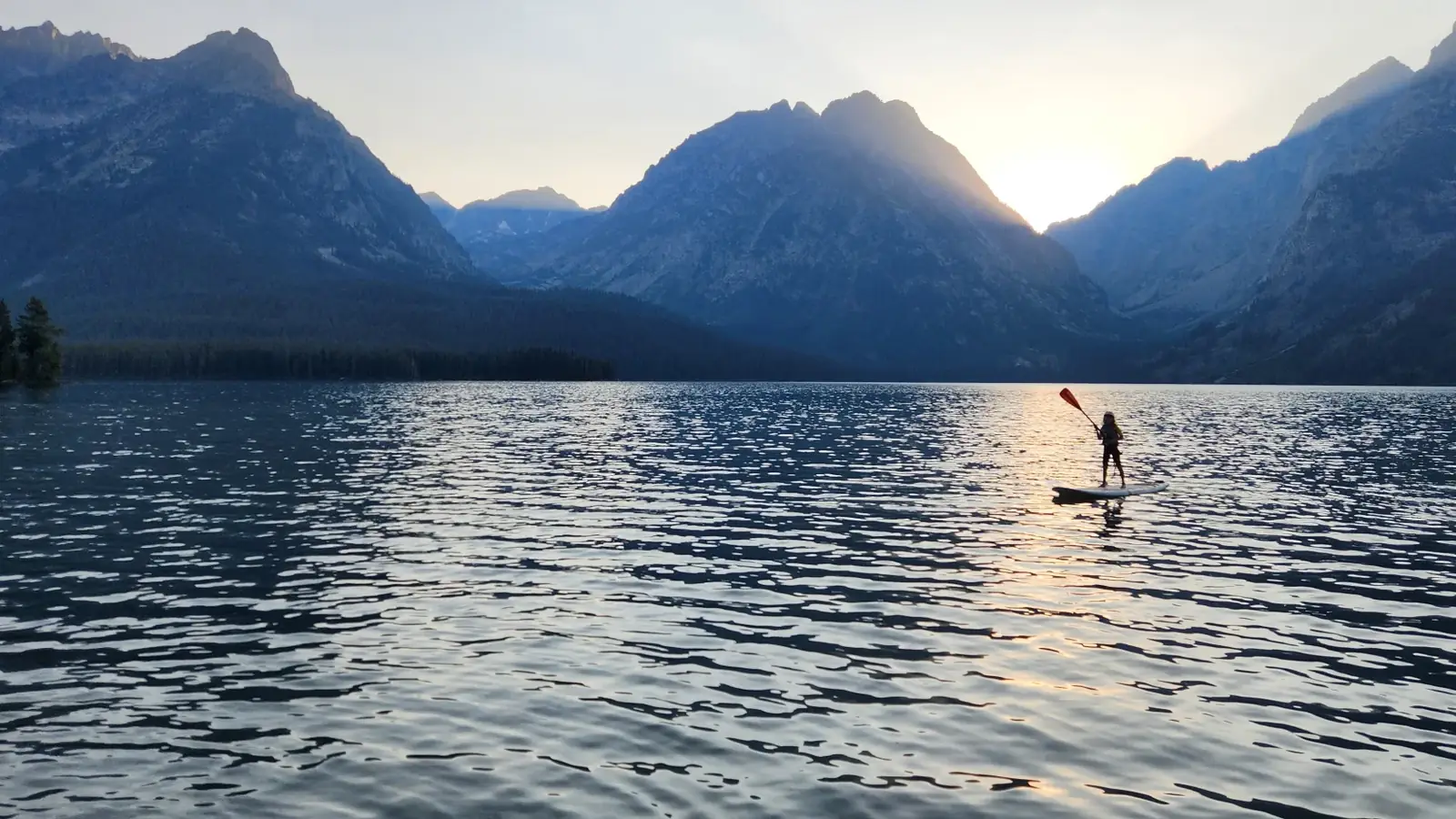
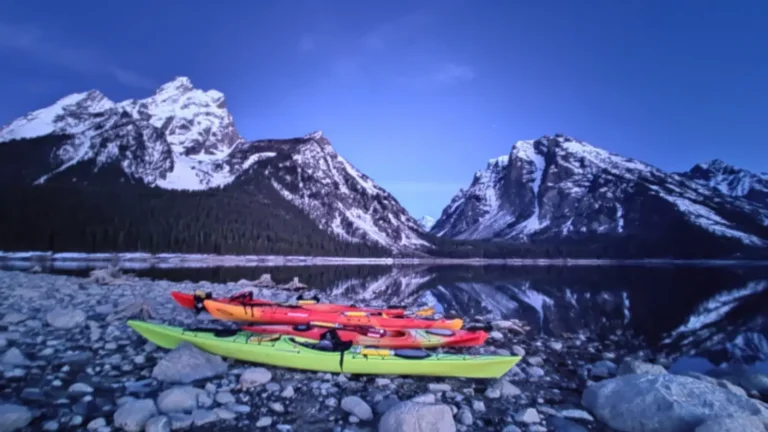
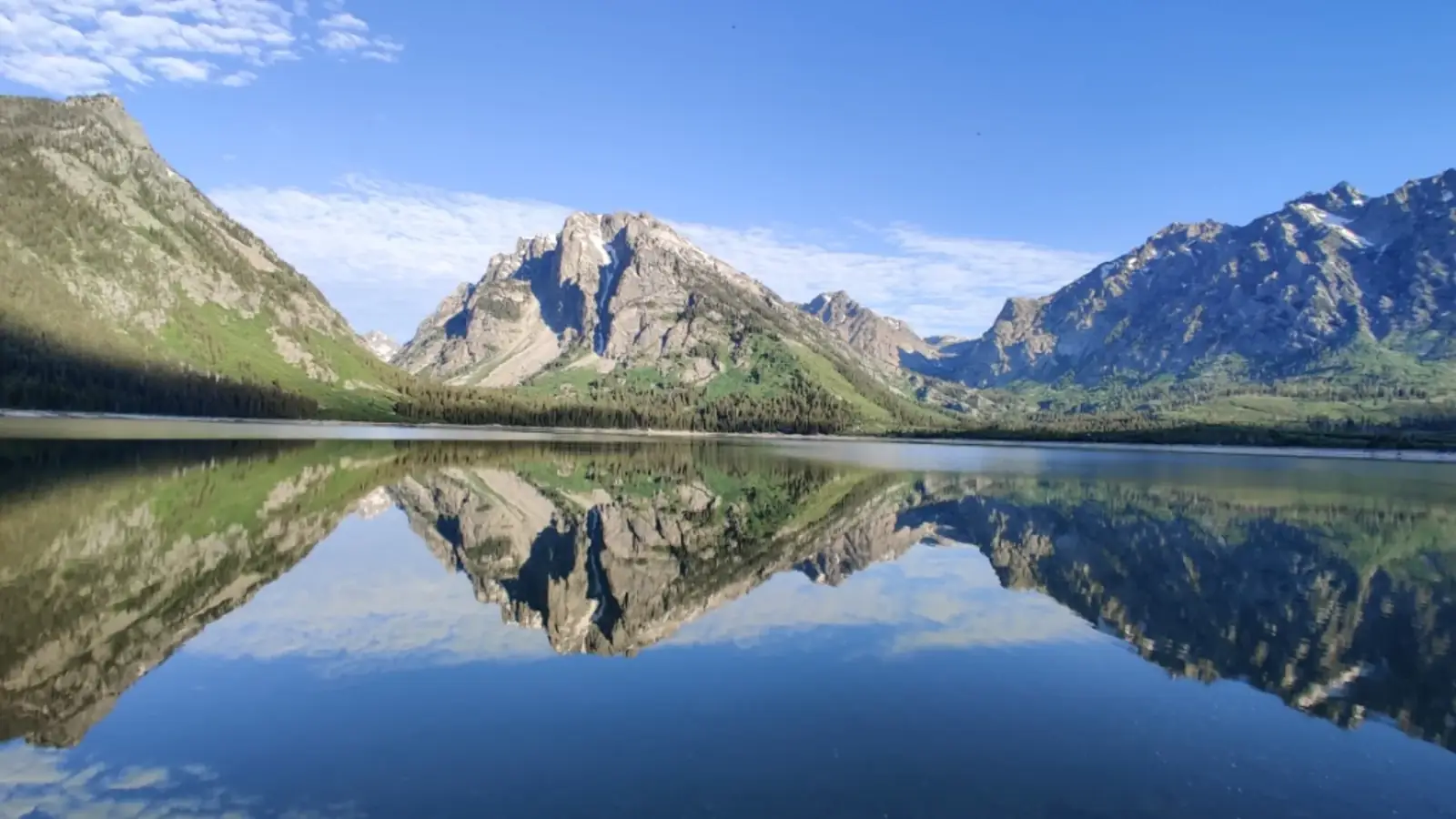
The park encompasses 310,000 acres including the Teton Range, most of Jackson Hole valley, and several pristine alpine lakes. Jackson Lake, Jenny Lake, Leigh Lake, and String Lake provide outstanding paddling opportunities with mountain backdrops unmatched anywhere in the lower 48 states.
Formation & Geology
The Teton Range is among the youngest mountain ranges in the Rockies, yet its rocks are some of the oldest on the continent — Precambrian gneiss and granite nearly 2.7 billion years old. The range formed along the Teton Fault, which runs along its eastern base. Over the past 9–13 million years, the mountains have risen while the valley floor has dropped, creating up to 30,000 feet of total vertical displacement.
Glaciation sculpted the range into its present form. Multiple ice ages carved the dramatic U-shaped canyons, created the moraine-dammed lakes, and deposited the glacial debris that forms much of the valley floor. Small glaciers still cling to the highest peaks.
Paddling in Grand Teton
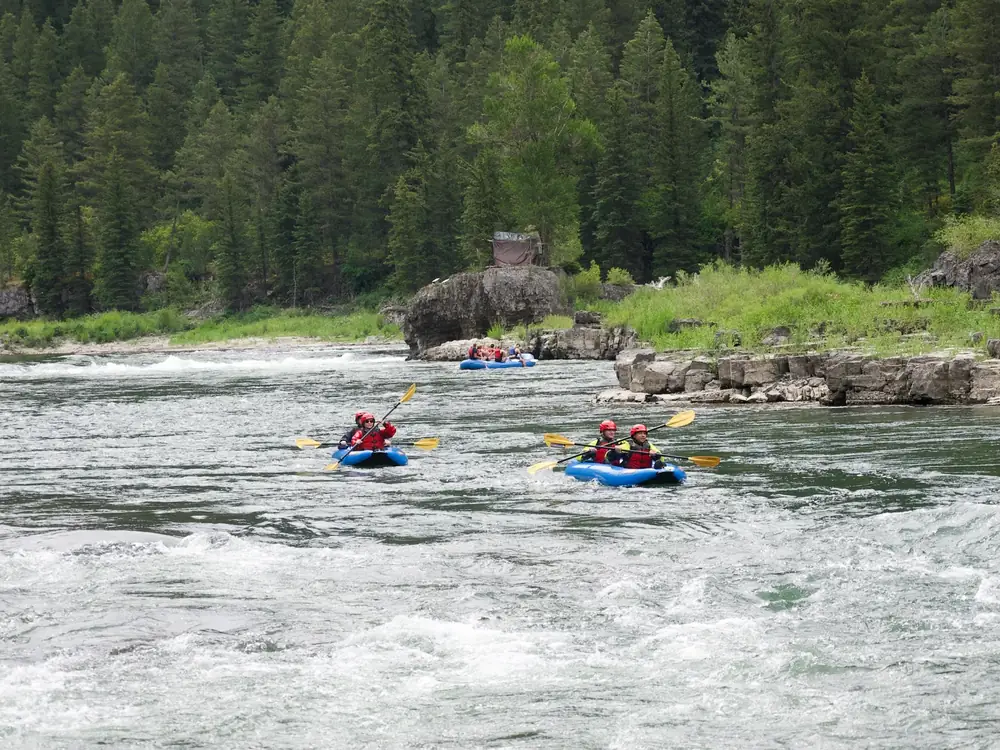
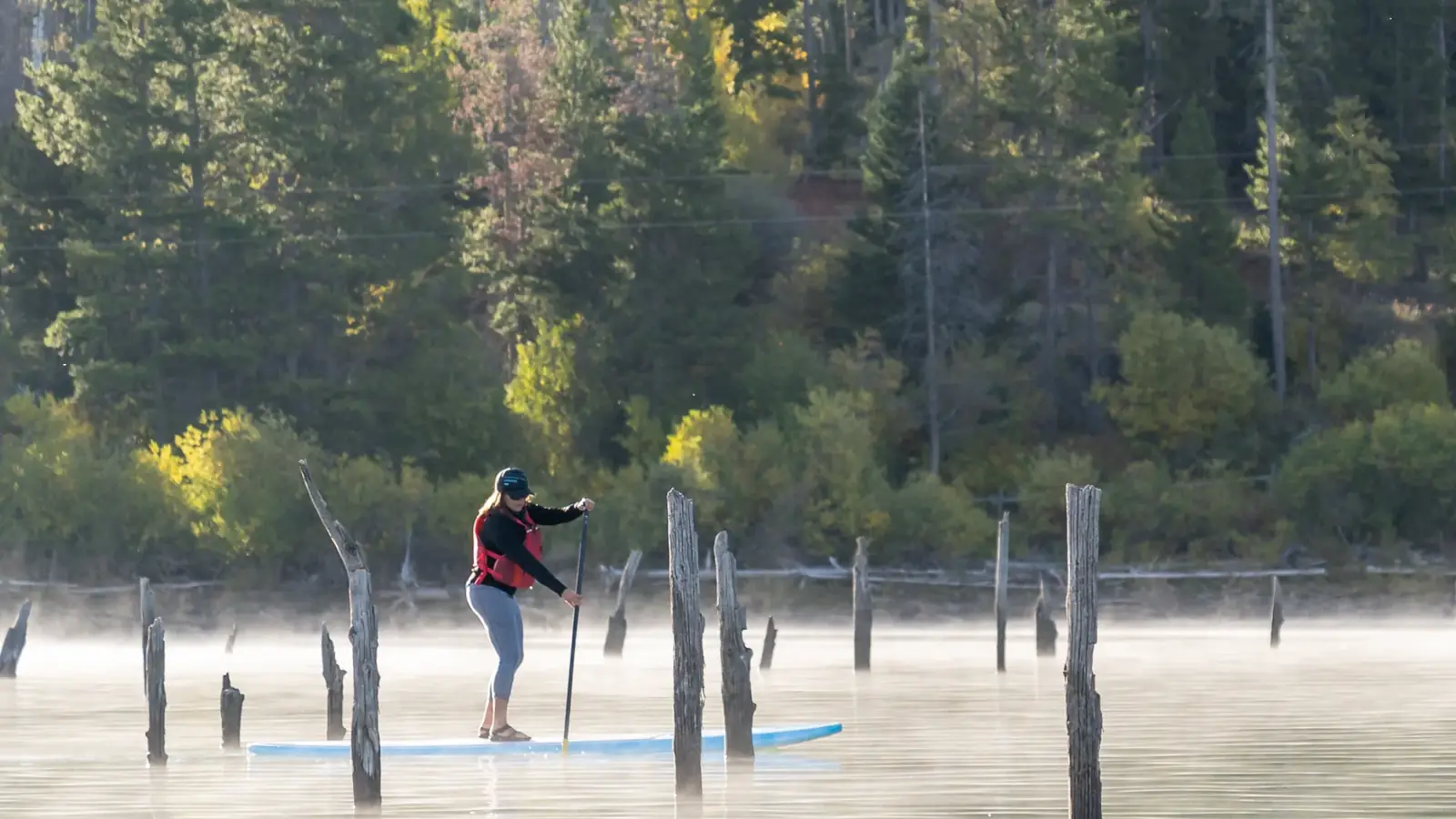
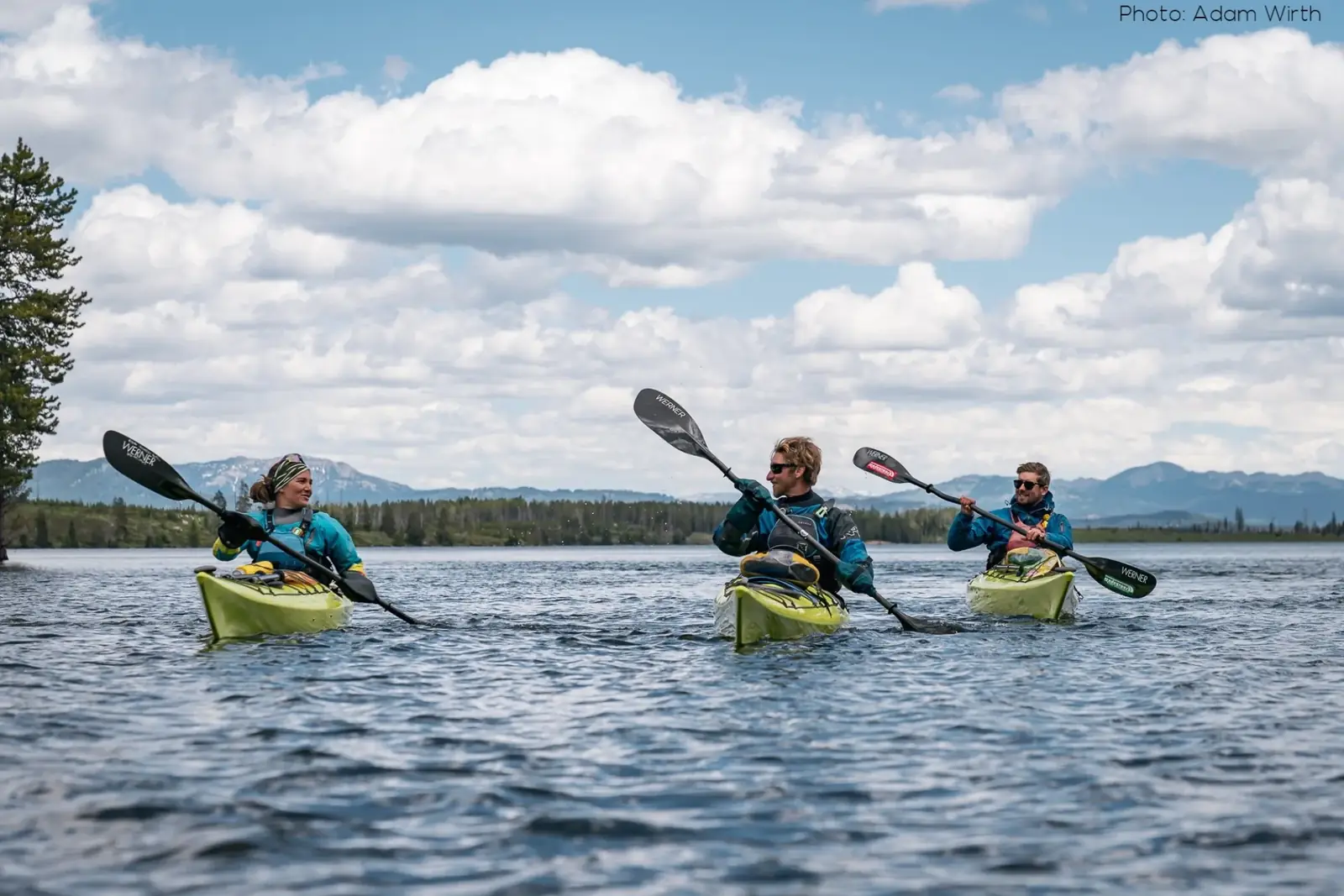
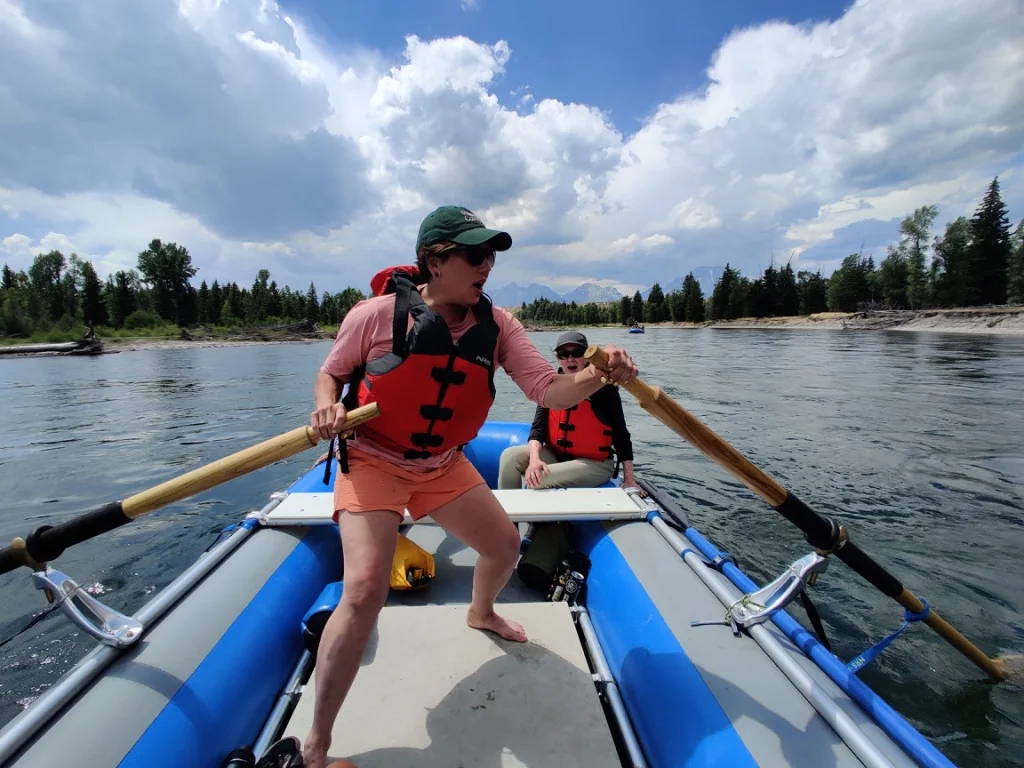
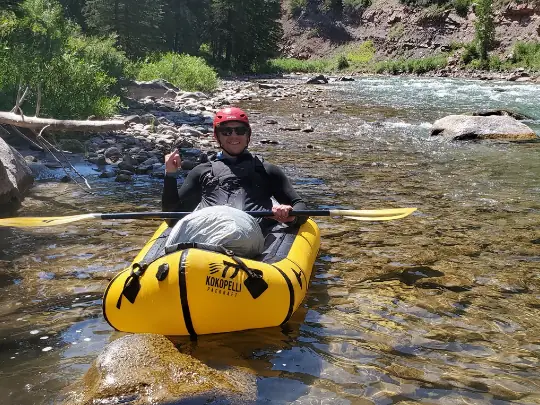
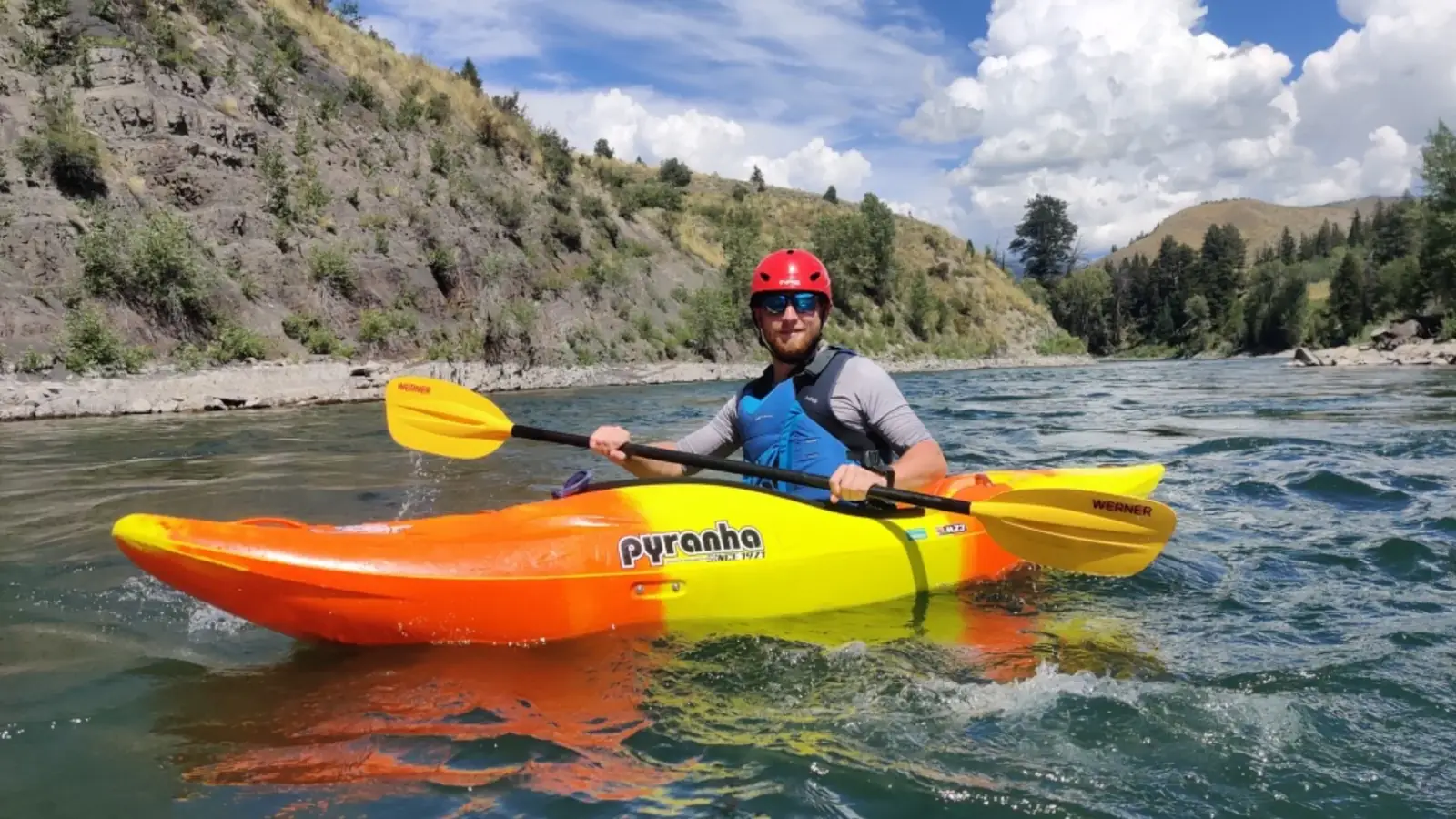
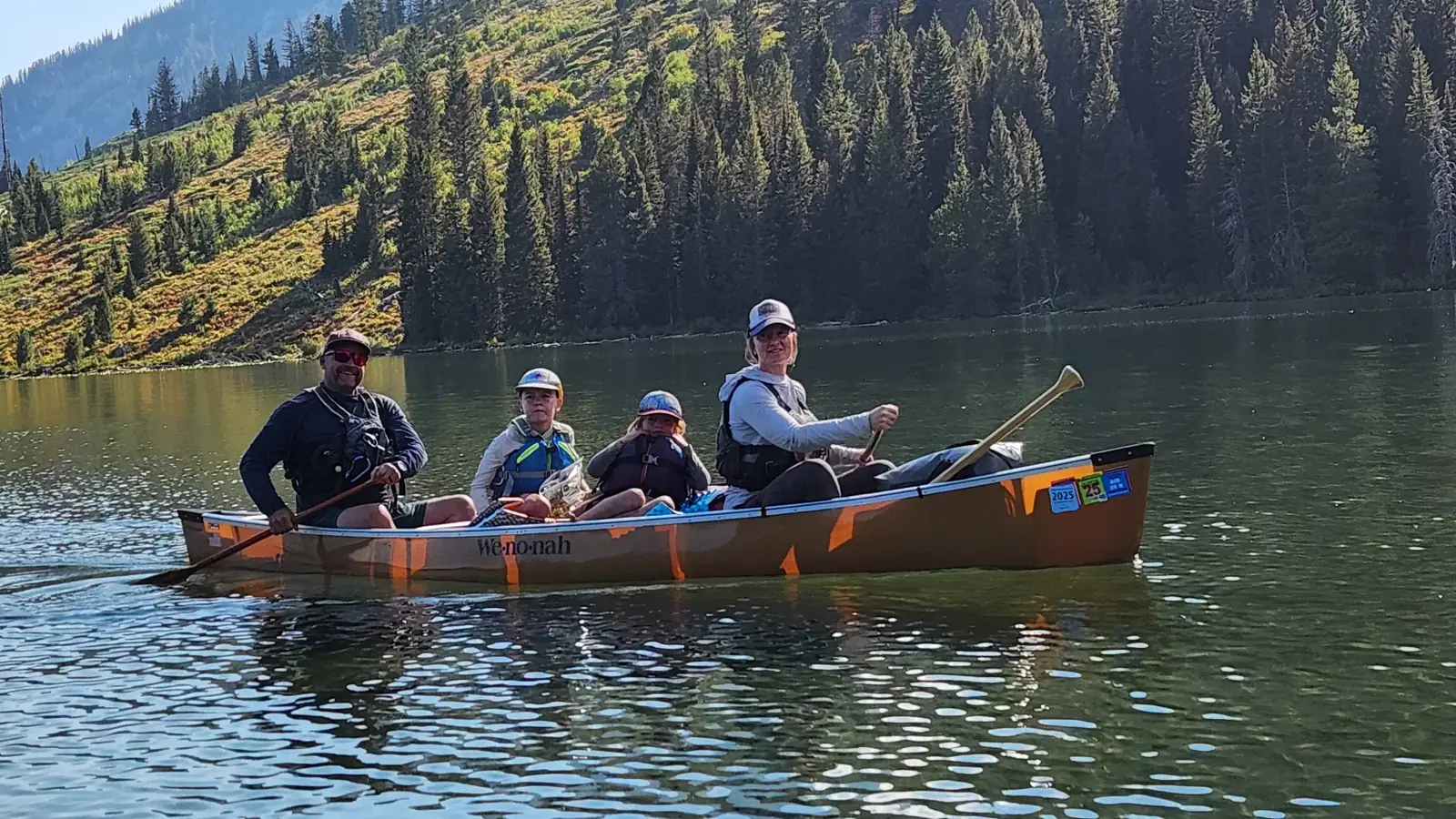
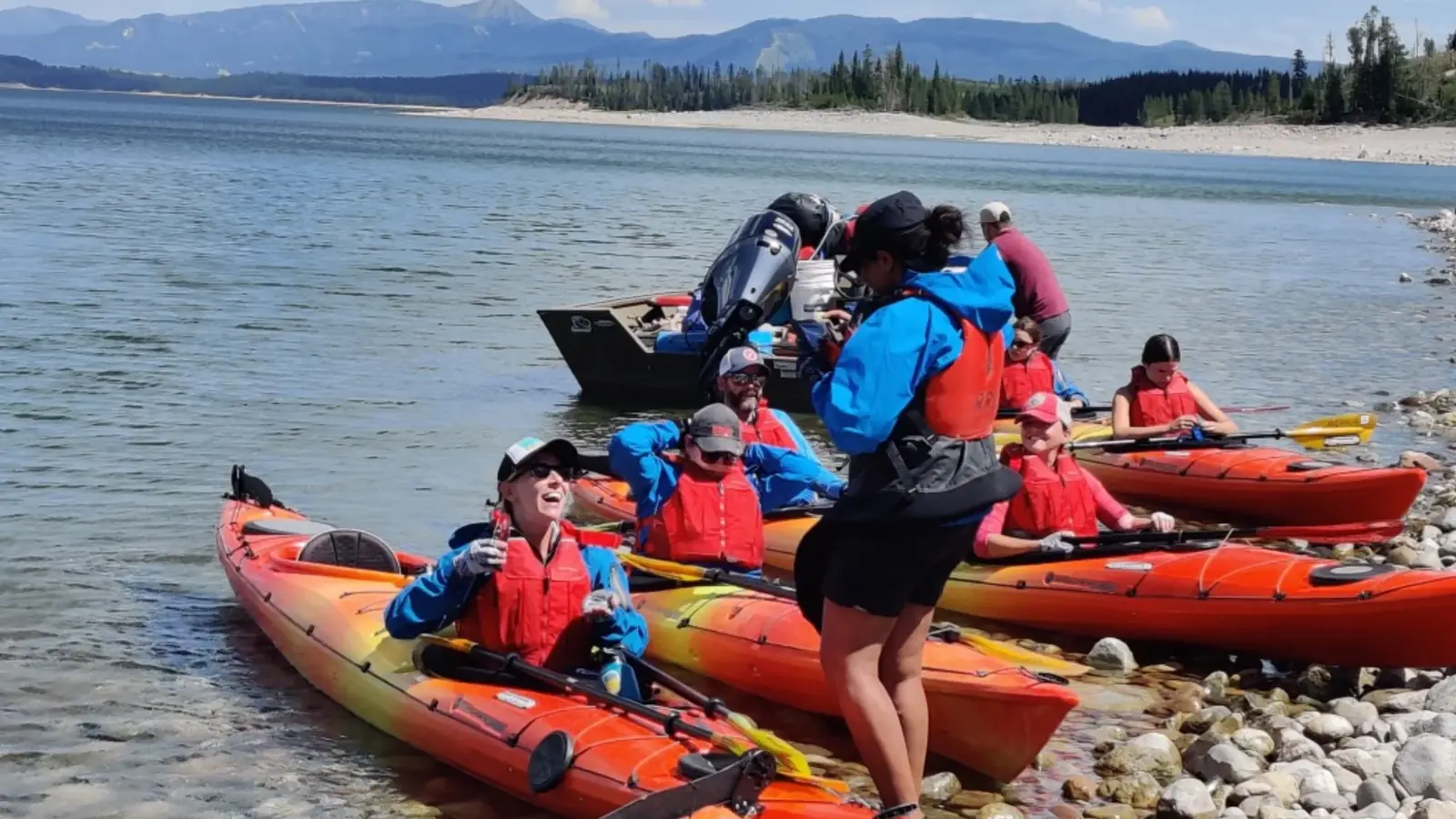
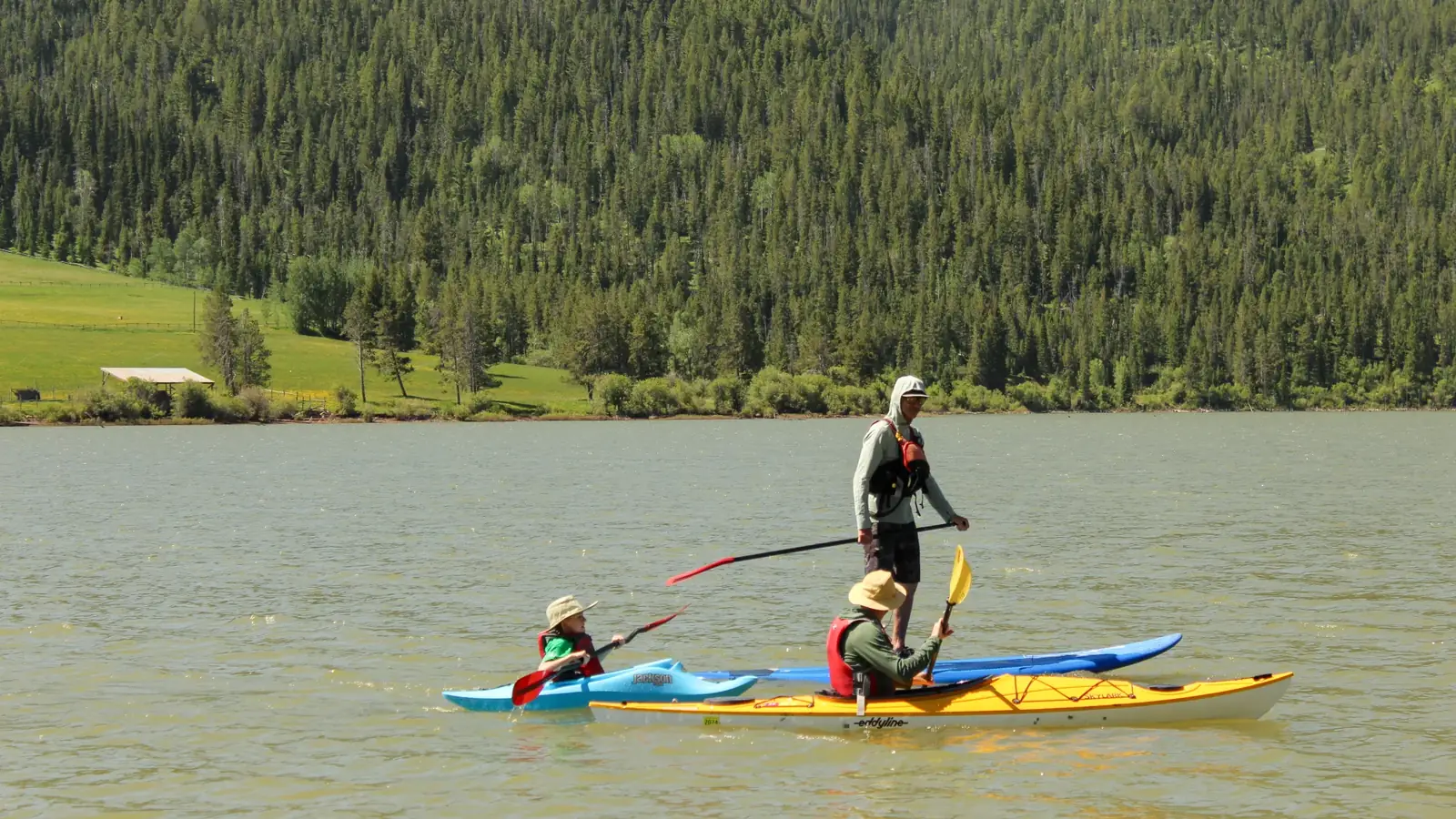
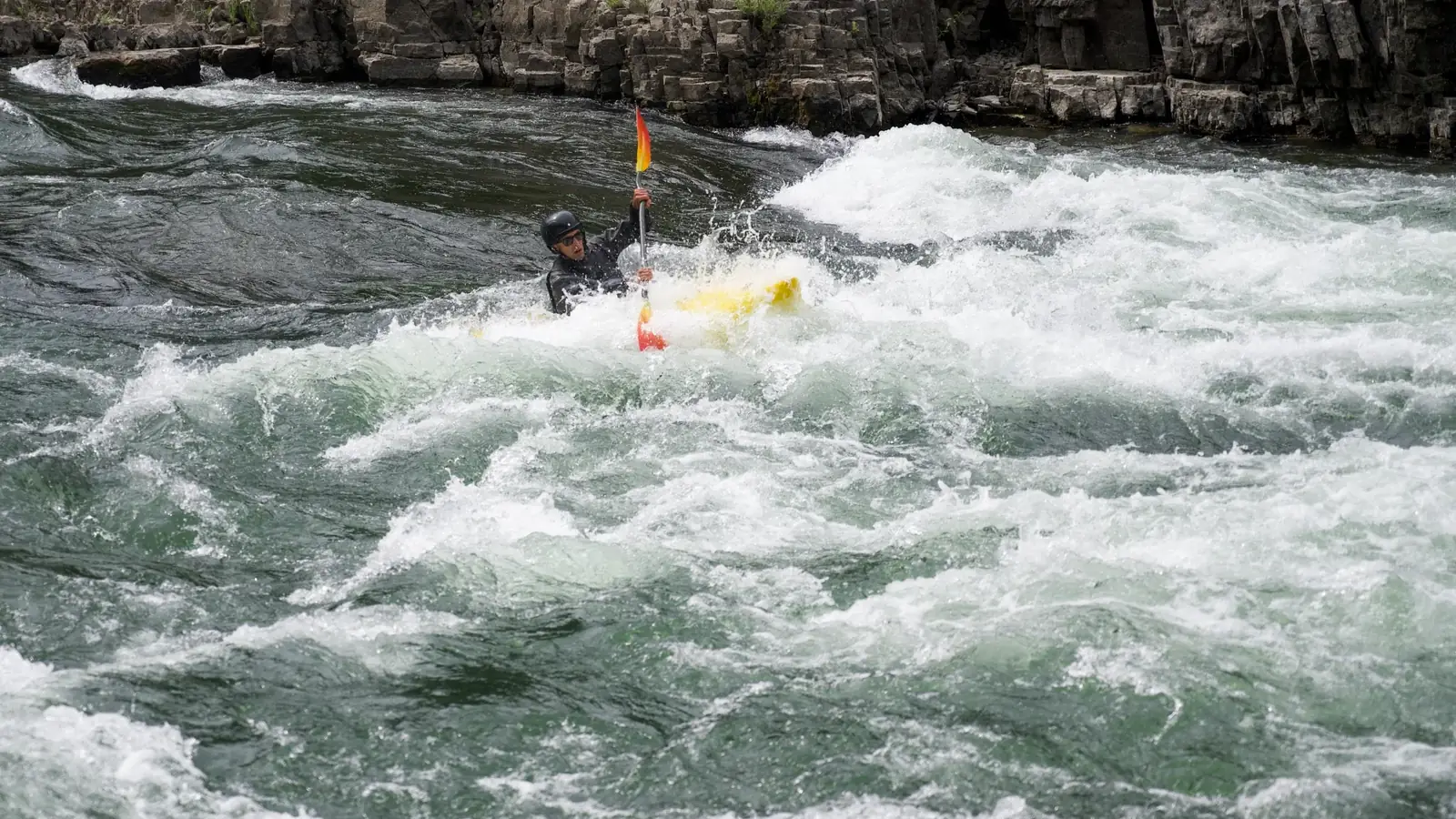
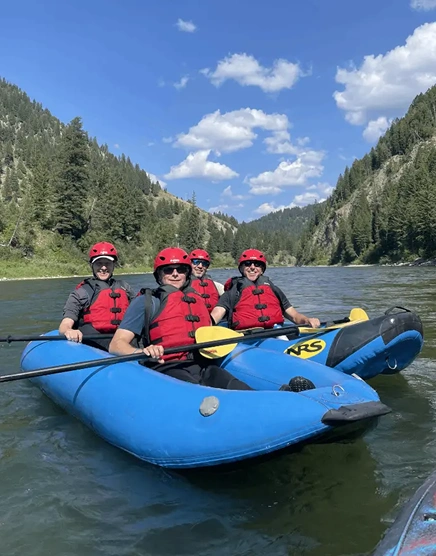
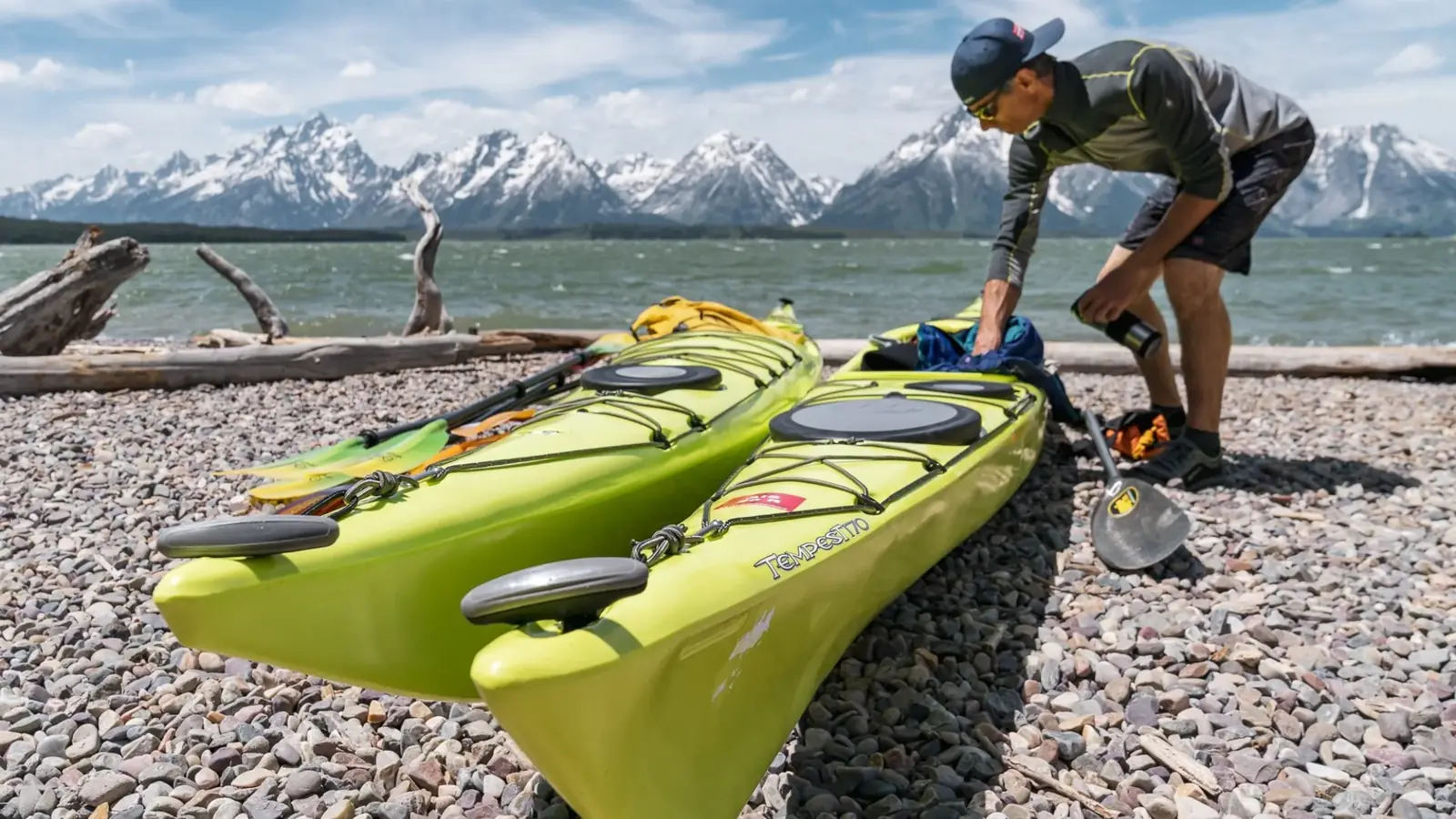
The Snake River flows through the park providing scenic float opportunities with Teton views. Jackson Lake and the smaller piedmont lakes offer kayaking and paddleboarding in one of the most spectacular settings in the national park system. Our guided trips in the park operate under National Park Service concession permits.
Yellowstone National Park
America’s First National Park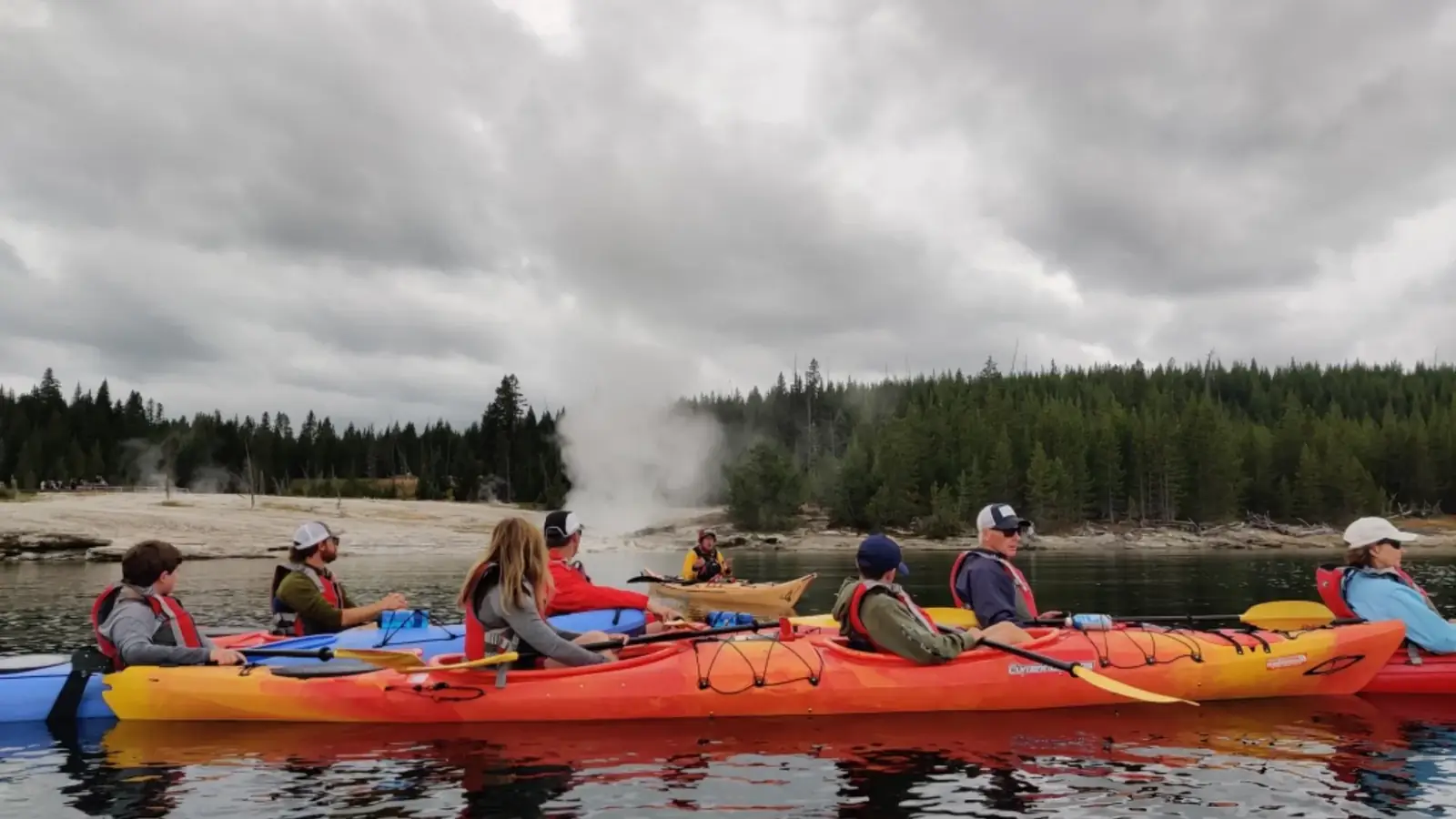
Yellowstone National Park — established in 1872 as the world’s first national park — protects nearly 2.2 million acres of geothermal wonders, wildlife habitat, and wild waterways across the Yellowstone Plateau.
The park sits atop one of the world’s largest active volcanic systems. The Yellowstone Caldera, formed by a massive eruption 640,000 years ago, drives the park’s famous geothermal features — more than 10,000 hot springs, geysers, mudpots, and fumaroles, representing over half the world’s active geothermal features.
Formation & Geology
The Yellowstone hotspot has produced three caldera-forming eruptions over the past 2.1 million years. The most recent created the 30-by-45-mile Yellowstone Caldera. Subsequent lava flows, hydrothermal activity, and glaciation shaped the landscape we see today. Yellowstone Lake — the largest high-altitude lake in North America — fills part of the caldera.
The park’s rivers and lakes drain into three major watersheds: the Snake River (flowing to the Pacific), the Yellowstone River (flowing to the Atlantic via the Missouri), and the Madison River (also Atlantic-bound). This triple divide makes Yellowstone a hydrological keystone of the continent.
Paddling in Yellowstone
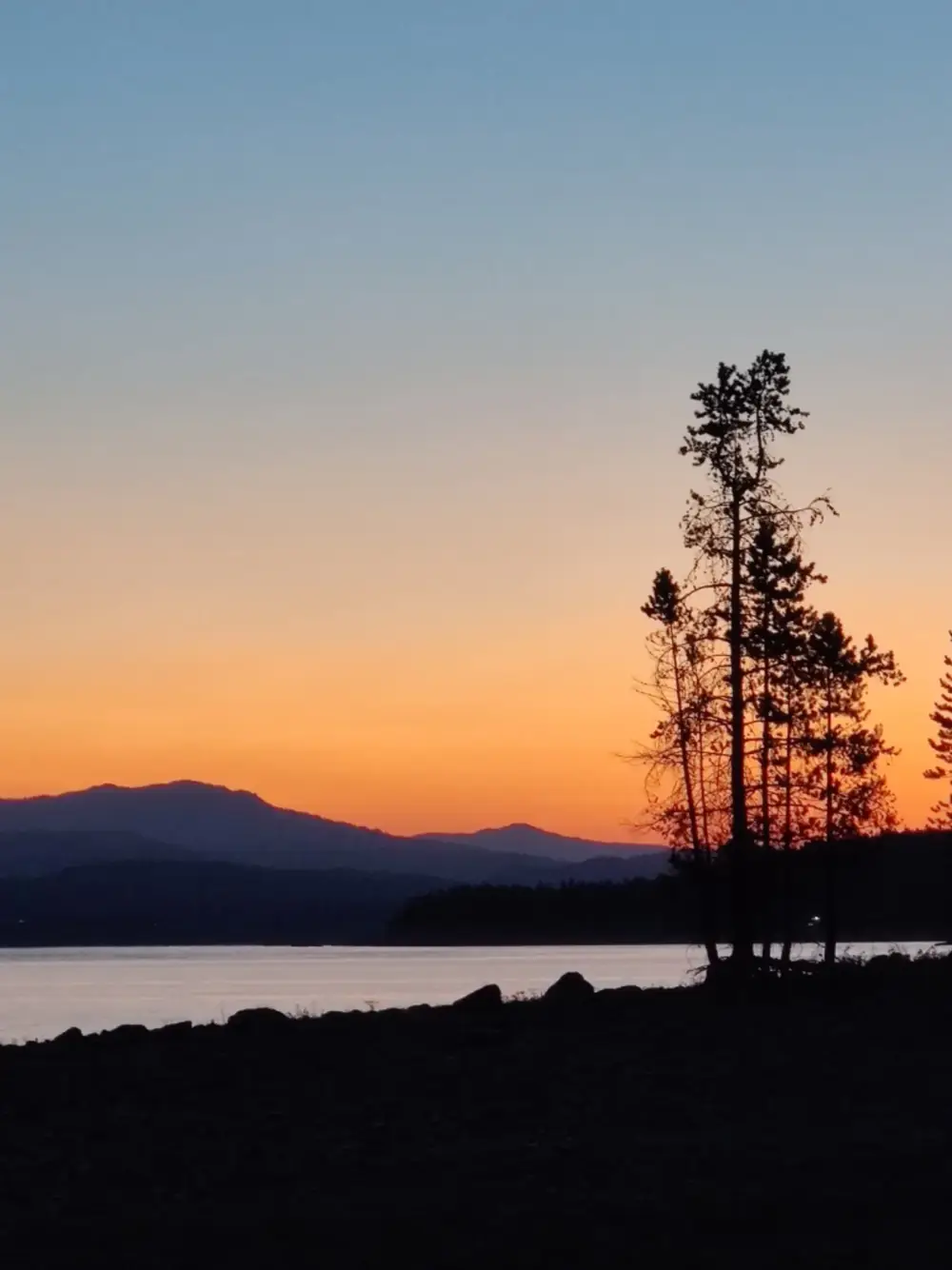
Yellowstone Lake, Lewis Lake, and Shoshone Lake provide genuine wilderness paddling experiences. These are remote, high-altitude lakes where weather can change rapidly and self-sufficiency is essential. Our overnight kayak trips on these waters operate under National Park Service concession permits and offer access to backcountry campsites unreachable by trail.
A Conservation Legacy
From the Craigheads to Today
The original concept of the Greater Yellowstone Ecosystem was developed by renowned scientists Frank and John Craighead after their pioneering work radio-tracking grizzly bears in and around Yellowstone. They realized that the bears regularly roamed far beyond park boundaries, demonstrating that effective conservation required thinking beyond political borders.
While the area has been at the forefront of the modern conservation movement since 1872, many threats persist — climate change, population growth, land development, increased recreation, habitat fragmentation, and the encroachment of invasive species all adversely affect the GYE.
Fortunately, an extraordinary network of guardians works to protect this place. Federal land management agencies, state and tribal management agencies, non-profit conservation organizations, land trusts, and dedicated individuals all contribute to the long-term protection of the GYE.
Conservation and stewardship are dynamic processes. Everyone who enjoys the Greater Yellowstone Ecosystem has a responsibility to help protect it — we hope you join us as one of its stewards and defenders.
Explore Our Conservation Work
Explore the Greater Yellowstone Ecosystem With Us
Email us at info@jacksonholekayak.com or call (307) 733-2471 to plan your paddling trip in one of the world’s great ecosystems.